
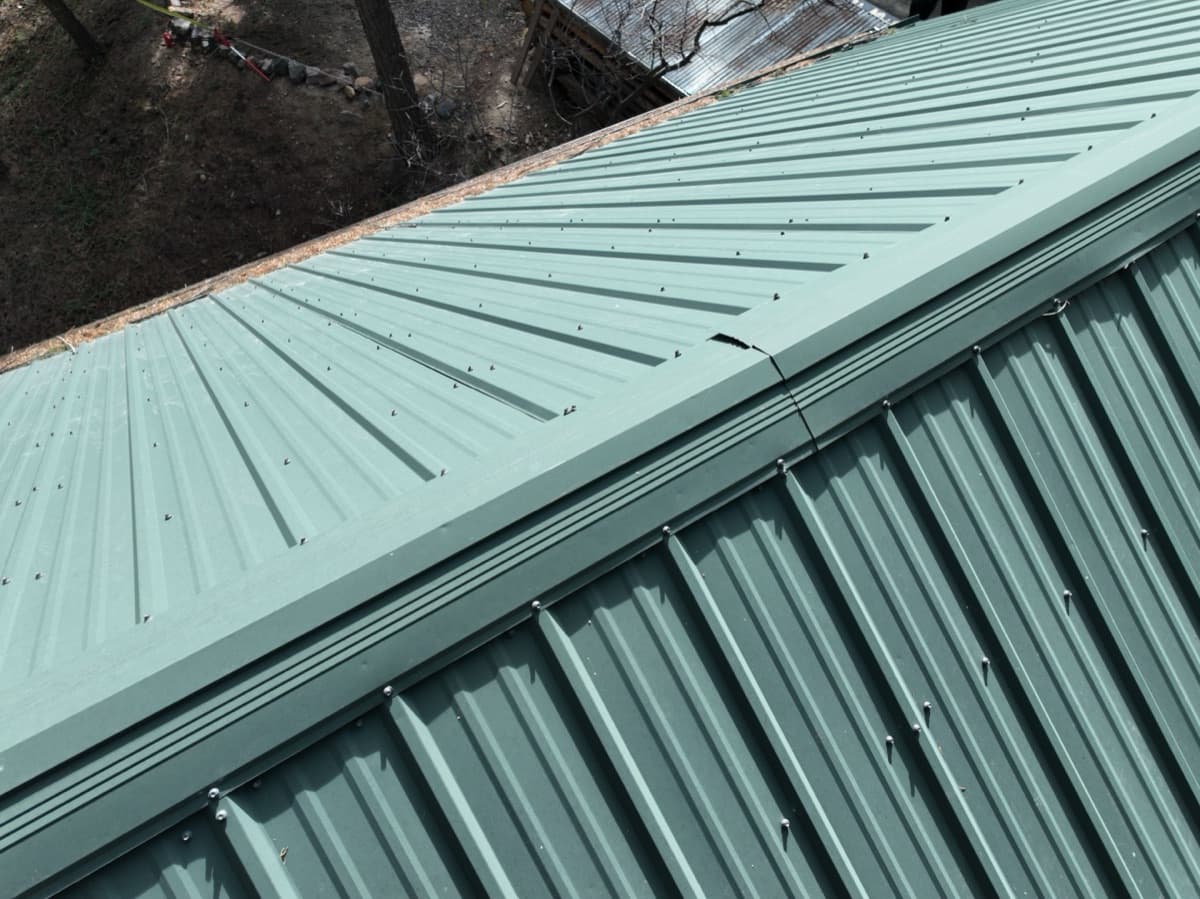
After a hailstorm or major wind event hits your neighborhood, the clock starts running. Insurance companies have timelines, adjusters book out quickly after large storm events, and evidence of damage can change or be questioned if you wait too long. Good documentation immediately after a storm is one of the most valuable things you can do to protect your insurance case before a professional arrives.
The good news is that you do not need to get on your roof to document effectively. In fact, we strongly advise against it. You can do a thorough and highly useful documentation from the ground and from inside your home, and that documentation will support everything that comes after.
Why Documentation Matters
Insurance companies are not adversarial by default, but they are businesses with financial incentives to minimize payouts. Adjusters see hundreds of claims and work quickly. They document what they see during their inspection, but they may not catch everything. Your own thorough documentation, created close to the time of the storm, serves as a chronological record that supports your case and fills gaps that an adjuster's visit might miss. Well documented claims settle faster, with fewer disputes, and typically for better outcomes than undocumented ones.
Document the Weather Event Itself
Before you document any physical damage, document the storm. This sounds obvious but many homeowners skip it. Note the exact date and time the storm hit your area. Write it down immediately. Check the National Weather Service storm data website, weather.gov, or contact NOAA to pull an official storm report for your address. Many insurance companies and contractors use hail verification services that can produce a documented report showing exact hail size, storm path, and time for any specific address. Getting this information early is valuable because it ties your damage to a specific weather event on a specific date, which is what your insurance company needs to open a claim.
What to Photograph: Think Beyond the Roof
Most homeowners think of photographing the roof after a hailstorm. That is important, but it is far from the only thing to document. Here is a more complete list. Gutters and downspouts, because hail leaves visible dents and dings in metal gutters even when roof damage is less obvious from the ground. Window screens and vinyl window frames, because hailstones punch holes in screens and leave impact marks on soft vinyl frames. These document the size and intensity of the hail event. Your AC condenser unit and any other exterior mechanical equipment. Hail damages the aluminum fins on condenser coils in a distinctive and measurable way. Fence panels and gates if they are metal or wood. Wood takes distinctive round impact marks from hail. Vehicles if any were parked outside. The dents on your car from a storm are among the strongest evidence of hail size. Your deck surface, patio furniture, and any soft metal surfaces like chimney caps or exhaust vents. Siding or trim if it shows impact damage. Any fallen debris, broken branches, or displaced materials on the property professional gutter services.
How to Photograph Effectively
Photograph everything in good light and at multiple angles. Get close up shots that show specific damage detail and wide shots that show context. Make sure your phone's date and time stamp is accurate before you start. Most smartphones automatically embed date, time, and GPS location data in photos, but verify this is enabled in your camera settings. For impact marks on soft surfaces like fence boards or window screens, place a coin or ruler next to the mark in the photo to document scale. Take video as well as photos. A slow walking video of your property perimeter narrating what you see provides context that individual photos do not.
Document Interior Damage If Present
If the storm caused any water intrusion into your home, document it immediately. Photograph ceiling stains, wet insulation visible in the attic, water on floors, and any active drips. These photographs should be time stamped as close to the event as possible, because water stains can darken over days and become harder to attribute to a specific storm. If you go into your attic, take photos of the underside of the roof decking. Fresh water infiltration shows up as dark staining on the wood. This interior documentation can be compelling evidence of damage that extends beyond what is visible from outside.
Preserve the Evidence
Do not make permanent repairs before your insurance adjuster has visited. Emergency tarping is acceptable and even required by most policies to prevent further damage. But replacing shingles, repairing gutters, or patching siding before the adjuster has documented the damage can complicate your claim. Save any damaged materials that fall off the roof or from gutters. If shingles land in your yard after a windstorm, hold onto them. They are physical evidence.
The NOAA Hail Report for Your Address
One of the most useful documentation steps is pulling a NOAA hail report for your specific address. These reports document historical hail events with date, time, estimated hail size, and storm path. Services like the National Weather Service storm data archives, or commercial services that contractors use, can produce address specific reports. This ties your damage to a documented weather event and eliminates disputes about whether a storm even occurred. insurance restoration support
After You Have Documented
Once you have your photo documentation, weather data, and notes organized, you are ready to contact your insurance company and schedule a professional inspection. A good contractor will supplement your documentation with their own professional assessment and photos, and they will be able to identify damage that you may not have been able to see from the ground. schedule a free inspection with Gates Enterprises includes full documentation of all visible damage in a format that supports your insurance case. We work alongside adjusters regularly and know exactly what they look for. Call us at (720) 766-3377 after any significant storm See our best roofer in Denver page for certified roofing options near you..