
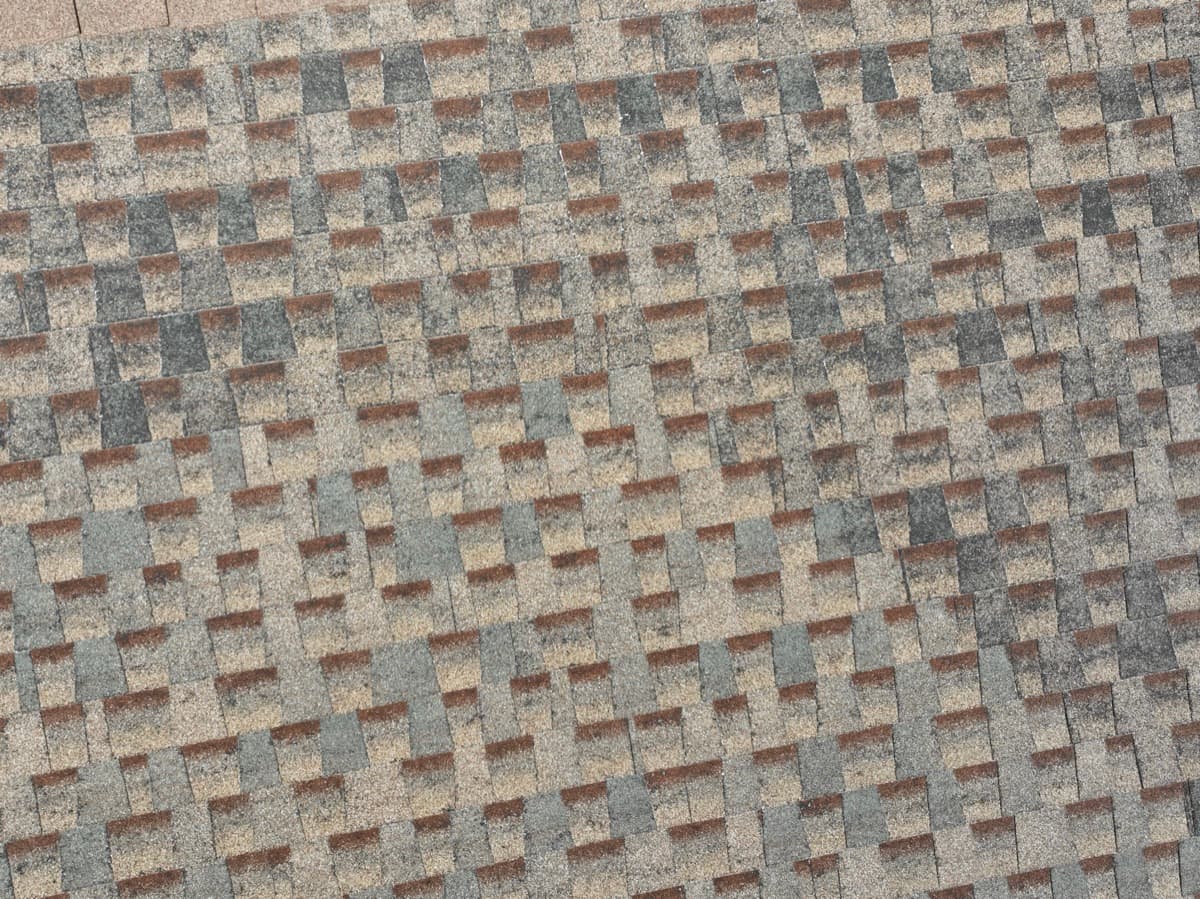
A hailstorm just rolled through your neighborhood. The skies have cleared, but the damage is done. What you do in the next 24 to 72 hours can have a major impact on the outcome of your insurance claim and the long-term health of your roof.
Colorado sits in one of the most hail-prone regions on the planet. The Front Range alone sees dozens of significant hail events every year, with some storms producing stones larger than baseballs. We have helped thousands of homeowners navigate the aftermath, and the ones who follow a clear process consistently come out ahead.
Here is exactly what to do after a hailstorm hits your Colorado home.
Step 1: Wait Until It Is Safe
Do not go outside while hail is still falling. Wait until the storm has completely passed and conditions are safe. Hailstones can reach speeds of over 100 mph and cause serious injury. Once the storm clears and you can move safely, start your damage assessment.
Step 2: Walk Your Property and Document Everything
Before you call anyone, grab your phone and start documenting. This is the most important thing you can do in the immediate aftermath.
Walk around the entire exterior of your home. Photograph your roof from every angle you can safely access from the ground. Get close-up shots of gutters, downspouts, window screens, siding, your air conditioning unit, deck boards, fencing, and any vehicles that were outside during the storm.
Hail damage creates a pattern. The same storm that hit your roof also hit everything else in your yard. Dents in your gutters, holes in window screens, and dings on your AC unit are all evidence of storm severity that insurance adjusters use to validate claims. The more you document immediately after the storm, the stronger your position.
Write down the date and time of the storm. Save any weather alerts or news coverage you can find online. The National Weather Service publishes storm reports that can support your claim. You can also to verify that hail was reported in your area and see your property's storm history.
Step 3: Make Emergency Repairs If There Is Active Leaking
If your roof is actively leaking and water is entering your home, take reasonable steps to limit the damage. Place buckets under leaks. Move belongings out of the way. If you can safely access the area, cover the damaged section with a tarp.
Do not attempt to climb on your roof if you are not trained and equipped to do so safely. Wet roofs after a storm are extremely slippery and dangerous.
Keep receipts for any emergency materials you purchase and photograph everything before and after. Your insurance policy may reimburse these emergency costs.
Step 4: Call Your Insurance Company to Open a Claim
Contact your homeowner's insurance company as soon as possible after documenting your damage. You do not need to have a full damage assessment in hand. Simply report that a hailstorm occurred, that you have observed damage to your property, and that you would like to open a claim.
Get a claim number and the name of the person you spoke with. This reference number is your key to every subsequent communication in the claims process.
Ask when an adjuster will contact you and whether you are allowed to have a roofing contractor present during the inspection. You should always have your own contractor there.
Step 5: Schedule a Free Inspection With a Local Roofing Professional
Before your insurance adjuster arrives, have a qualified local roofing contractor complete an independent inspection. This is one of the most impactful steps you can take, and most homeowners skip it.
An independent inspection gives you a detailed picture of the actual damage before the adjuster arrives with their own assessment. If the adjuster misses something, you have documentation to support a supplement or appeal.
Gates Enterprises offers free storm damage inspections across the entire Colorado Front Range free inspection. Our inspectors know exactly what hail damage looks like on every roofing material, and they know what insurance adjusters need to see to approve a claim. We have been through this process thousands of times and can be a knowledgeable partner supporting your interests.
Step 6: Be Home for the Adjuster's Visit
Make every effort to be present when the insurance adjuster comes to inspect your property. Even better, have your roofing contractor there as well. When your contractor walks the roof with the adjuster, they can point out damage in real time and ensure nothing is overlooked.
At Gates Enterprises, attending adjuster appointments with our clients is standard practice insurance restoration. It consistently results in more complete initial estimates and fewer disputes later in the process.
Step 7: Review Your Insurance Estimate Carefully
After the adjuster's visit, your insurance company will send a written estimate. Compare it against your contractor's independent assessment. If the insurance estimate is lower or appears to be missing items, your contractor can file a supplement to recover additional funds.
Do not assume the first estimate is final. Supplements are common and legitimate in Colorado insurance restoration. A contractor with experience in this process can often recover thousands of additional dollars on your behalf.
Step 8: Beware of Storm Chasers
After every major hailstorm in Colorado, out-of-state roofing companies descend on affected neighborhoods. They knock on doors, offer quick inspections, and push homeowners to sign contracts immediately. These companies are known in the industry as storm chasers.
The warning signs include appearing at your door within days of the storm with an out-of-state license plate, pressure to sign a contract on the spot, an offer to waive your insurance deductible (which is illegal in Colorado), a lack of local reviews or references, and a business address that is a hotel or temporary location.
Storm chasers may complete your roof, but they often do substandard work and disappear long before any warranty issues surface. Stick with companies that have an established local presence, verifiable reviews, and manufacturer certifications.
Step 9: Choose Your Contractor Carefully
Once your insurance claim is approved, choose a contractor based on credentials, reputation, and communication, not on who knocked on your door first.
Look for manufacturer certifications, which are among the most reliable indicators of installation quality. Gates Enterprises holds all four major roofing manufacturer certifications: GAF Master Elite, Owens Corning Preferred, Malarkey Emerald Premium, and CertainTeed Shingle Master manufacturer certifications. No other roofing company in Colorado holds all four.
We also have over 300 verified reviews with a 4.9-star average, built over more than a decade of work across the Front Range. That reputation is something we protect on every single job.
You Do Not Have to Navigate This Alone
Dealing with hail damage is stressful. The insurance process is complicated. And the roofing market in Colorado can feel overwhelming to navigate.
Gates Enterprises is here to help you through every step, from the initial inspection to the final installation. Call us at (720) 766-3377 or schedule your free inspection online free inspection. We will make sure your home is protected and that you get the coverage you have been paying for See our best roofer in Denver page for certified roofing options near you..