
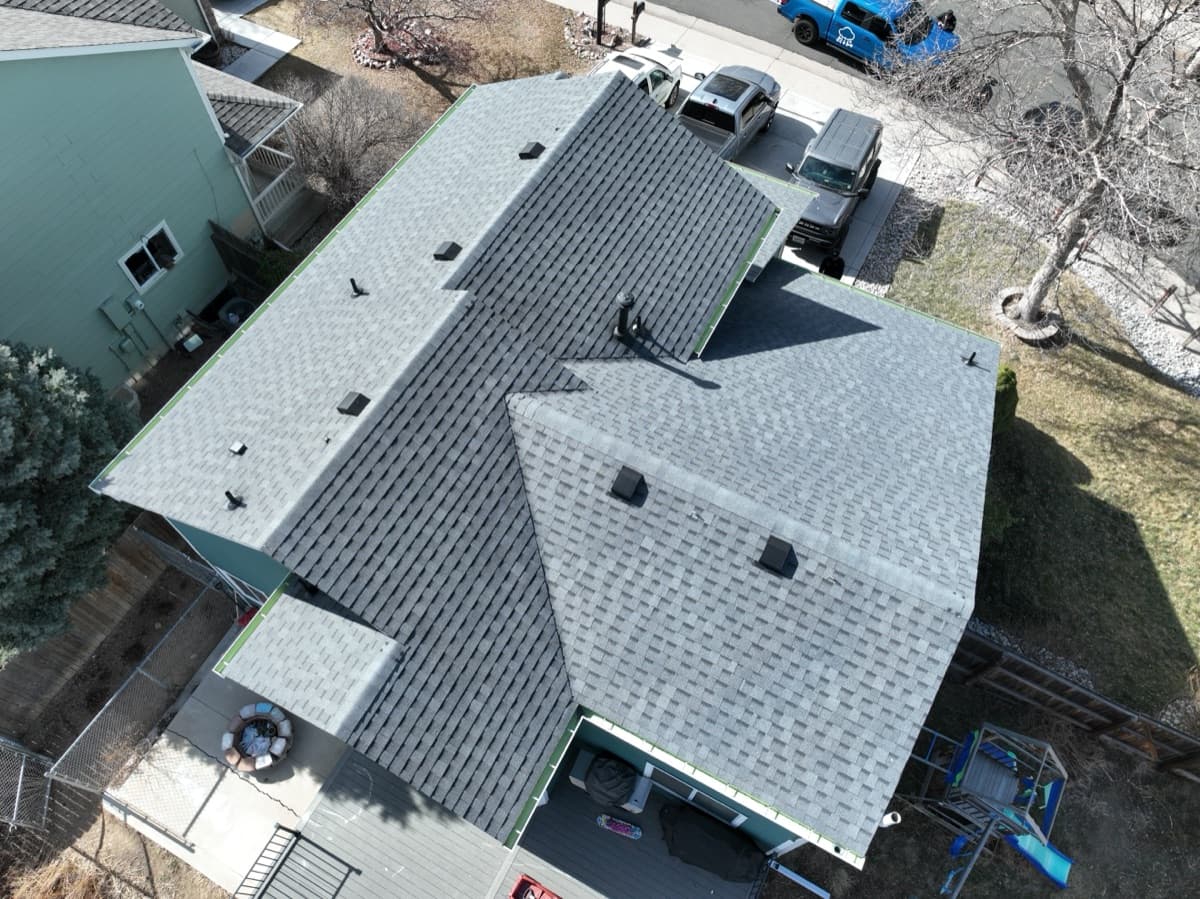
If you asked most Colorado homeowners what they know about their attic ventilation, you would get a lot of blank stares. Ventilation is invisible, it makes no noise when it is working correctly, and it is easy to ignore. But poor attic ventilation is one of the most common causes of premature roof failure in Colorado, and it is something we assess on every single inspection we do. Here is what you need to know.
How Attic Ventilation Works
The basic principle of attic ventilation is simple. Cool fresh air enters the attic space through intake vents located at the soffits, which are the underside of the eave overhangs. That air flows up through the attic cavity and exits through exhaust vents located at or near the ridge. When the intake and exhaust are balanced and adequate, air circulates continuously through the attic, regulating temperature and moisture levels year round. This continuous circulation keeps the attic close to outside ambient temperature in winter, which is critical for preventing ice dams, and flushes out heat and moisture in summer.
Why Ventilation Matters More in Colorado
In most climates, poor ventilation shortens roof life gradually. In Colorado, it can cause rapid and dramatic damage. First, ice dams. When attic heat escapes through an inadequately insulated or ventilated attic and warms the roof deck, snow melts and refreezes at the cold eaves. The resulting ice dam forces water backward under shingles and into your home. This is not a cosmetic issue. It causes structural rot, insulation damage, and ceiling and wall failures. Second, summer heat damage. Colorado's intense sun heats attics to extreme temperatures. In an unventilated or under ventilated attic, surface temperatures on the underside of the roof deck can reach 150 to 160 degrees Fahrenheit on a hot day. This heat slowly degrades the shingle adhesive strips, causes premature brittle aging of the shingles, and increases cooling loads in the living space below. Third, moisture accumulation. Cooking, bathing, and breathing all generate moisture in the living space that migrates upward into the attic. Without adequate ventilation, this moisture condenses on cold roof deck surfaces in winter, causing mold growth and wood rot that is invisible until it becomes structural.
Signs of Poor Attic Ventilation
Your home may be showing symptoms of inadequate ventilation without you connecting them to the roof. A persistently hot second floor in summer that is difficult to cool with your HVAC system is a common sign. High energy bills that cannot be explained by other factors often indicate poor attic thermal performance. Ice dams forming every winter despite the roof being in reasonable condition are a strong indicator. Shingles that appear to be aging faster than expected, with excessive granule loss or cracking visible on a roof that is only 8 to 10 years old, can indicate heat damage from below. Any visible mold or moisture staining in the attic space is a direct indicator.
Types of Ventilation Systems
Ridge vents are installed along the peak of the roof and are the most effective exhaust method in most situations. When paired with adequate soffit intake, they create a natural convective airflow from bottom to top that works without any mechanical assistance. Most modern roof replacements include a continuous ridge vent. Gable vents are openings in the gable ends of the attic and provide some ventilation but are less effective than ridge and soffit systems because they create cross ventilation rather than the bottom to top airflow that is most efficient. They can interfere with ridge and soffit systems when all three are used together. Power vents or attic fans are motorized fans that actively draw air through the attic. They can be effective but add mechanical complexity, require maintenance, and can create negative pressure problems if soffit intake is insufficient. Many ventilation experts now consider them unnecessary when a properly balanced passive system is in place.
The Balanced Ventilation Requirement
Ventilation balance is as important as total ventilation quantity. Most building codes and all major shingle manufacturers require equal or slightly greater intake area than exhaust area. When exhaust area exceeds intake, the system pulls air through unintended pathways like recessed light fixtures, bathroom fan housings, and attic hatches, which brings moisture laden warm air into the attic from the living space. This is worse than no exhaust ventilation at all. GAF specifically requires balanced ventilation as a condition of their warranty compliance, including the Golden Pledge warranty. A contractor who installs a ridge vent without ensuring adequate soffit intake has technically created a ventilation problem, not solved one.
What Gates Inspects During a Free Inspection
When our team inspects a roof, attic ventilation assessment is a standard part of the process. We check the type and quantity of exhaust venting currently in place, verify that soffit vents are present and unobstructed by insulation, look for signs of moisture or mold in the attic that indicate a ventilation problem, and assess whether the current ventilation configuration complies with manufacturer requirements. If we find ventilation issues, we document them clearly and recommend solutions as part of any repair or replacement project.
What a Ventilation Upgrade Looks Like
If your home has inadequate ventilation, the solutions range from simple to moderate in cost. Adding or clearing blocked soffit vents is often inexpensive and immediately effective. Replacing older box vents with a continuous ridge vent as part of a re roofing project adds modest cost but delivers significantly improved performance. In cases where structural limitations prevent adequate passive ventilation, targeted solutions including solar powered fans or strategic gable vent additions can supplement the system.
Proper ventilation is one of those things that works silently in the background to protect your home and extend the life of your roof. When it is missing or inadequate, the consequences show up as higher energy bills, ice dams, premature shingle aging, and moisture damage that may not be obvious until it is expensive to fix. If your home has any of the symptoms described here, schedule a free inspection with Gates Enterprises and we will give you a complete assessment. For homes that are due for a full roof replacement services, ventilation improvements are seamlessly incorporated into the project. Call us at (720) 766-3377 See our best roofer in Denver page for certified roofing options near you..