
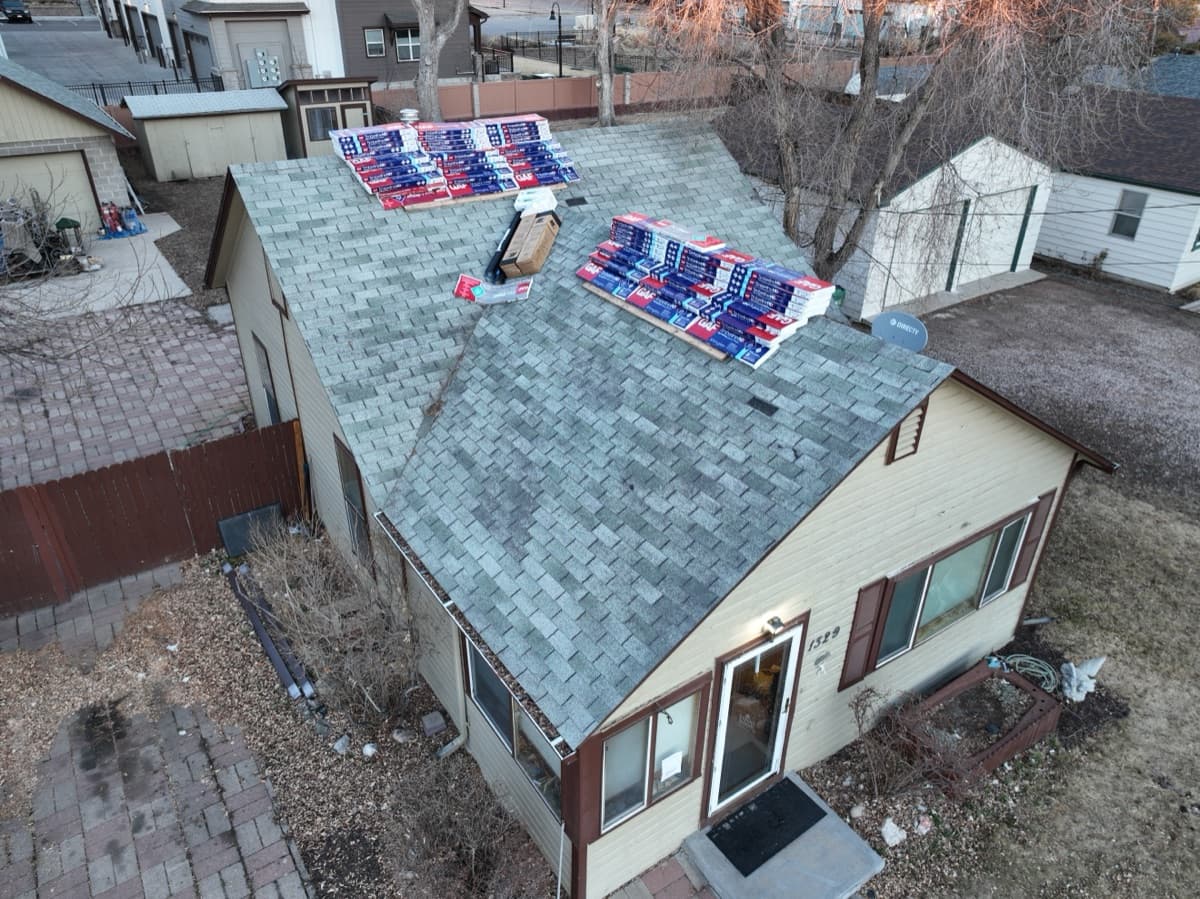
The most common question we hear from Colorado homeowners: how much is this going to cost? The honest answer depends on several factors, and anyone who gives you a price without seeing your roof is guessing.
After completing thousands of roof replacements across the Colorado Front Range, we can give you realistic ranges based on what we actually see in the field. Not national averages. Not estimates from a website that has never set foot on a Colorado roof. Real numbers from real projects roof replacement services.
Average Roof Replacement Costs in Colorado (2026)
For a standard single family home in the Denver metro area with a roof between 1,500 and 2,500 square feet:
Standard asphalt shingles (3 tab): $8,000 to $14,000. These are the most affordable option but offer the least durability against Colorado hail. Most manufacturers have phased out 3 tab production, and we rarely recommend them for Front Range homes.
Architectural shingles (standard): $12,000 to $20,000. This is the most common choice for Colorado homes. Architectural shingles offer better wind resistance, improved aesthetics, and longer warranties than 3 tab. Brands like GAF Timberline and Owens Corning Duration fall in this category.
Impact resistant shingles (Class 4): $15,000 to $25,000. The smart choice for Colorado. Class 4 rated shingles withstand simulated 2 inch hail impacts. Most insurance companies offer a 20 to 35 percent premium discount for Class 4 roofs, which often pays for the upgrade within a few years Class 4 impact resistant shingles.
Premium designer shingles: $20,000 to $35,000+. These include products like GAF Grand Sequoia, CertainTeed Presidential Shake, and Malarkey Vista. They offer the highest wind and impact ratings with premium aesthetics that mimic natural slate or wood shake.
Metal roofing: $25,000 to $50,000+. Standing seam metal roofs are gaining popularity in Colorado mountain communities. They shed snow efficiently, last 50+ years, and handle hail better than most materials. The upfront cost is higher but the lifetime value is excellent.
What Drives the Cost Up or Down
Roof size is the biggest factor. We measure roofs in "squares" where one square equals 100 square feet. A typical Colorado home is 20 to 35 squares. Every additional square adds material and labor costs.
Roof complexity matters more than most homeowners realize. A simple ranch home with two planes is significantly cheaper to roof than a multi story home with dormers, valleys, skylights, and multiple pitch changes. Complex roofs require more flashing, more cuts, more waste, and more labor hours.
Tear off vs overlay. Colorado building code allows a maximum of two layers of shingles. If your home already has two layers, the old roofing must be torn off completely before new material goes on. A full tear off adds $1,000 to $3,000 depending on the roof size and number of existing layers.
Decking repairs. Once the old shingles come off, we inspect every inch of the roof deck. Rotted or damaged plywood must be replaced before new shingles can be installed. Decking replacement typically runs $75 to $150 per sheet, and most roofs need at least a few sheets replaced.
Ventilation upgrades. Proper attic ventilation extends the life of your roof and prevents ice dams in winter. If your current ventilation is inadequate, we will recommend upgrades. Adding ridge vents and soffit vents typically costs $300 to $800.
Accessories. Gutters, downspouts, drip edge, pipe boots, and flashing all factor into the final price. We replace all pipe boots and flashing during every roof replacement because reusing old components is the number one cause of leaks on new roofs.
Why Colorado Roofs Cost More Than the National Average
If you search roof replacement cost online, you will find national averages around $10,000 to $15,000. Colorado consistently comes in higher, and there are real reasons for that.
Hail requires better materials. Standard shingles that work fine in Georgia or Ohio get destroyed by Colorado hail. Most Colorado homeowners and insurance companies now specify impact resistant products, which cost 15 to 30 percent more than standard shingles.
Elevation and UV exposure. Colorado's high altitude means more UV radiation hitting your roof every day. This accelerates shingle aging and means manufacturers have to use premium materials to meet warranty requirements at altitude. Some warranty terms are actually different for installations above 8,000 feet.
Labor market. Colorado's construction labor market is competitive. Skilled roofing crews are in high demand, especially during storm season from May through September. Labor rates reflect this reality.
Building codes. Colorado jurisdictions have specific requirements for ice and water shield, ventilation, and wind resistance that exceed minimum code in many other states. Meeting these requirements adds cost but protects your investment.
Insurance and Roof Replacement Costs
Here is the reality most Colorado homeowners do not know: if your roof has hail damage, your insurance company is likely responsible for the replacement cost minus your deductible insurance restoration services.
Colorado is a right to repair state. If a covered event (hail, wind, fire) damages your roof, your insurance company must pay to restore it to pre loss condition. This means a full roof replacement if the damage warrants it.
Your out of pocket cost with insurance is typically just your deductible, which ranges from $1,000 to $2,500 for most policies. Some newer policies use percentage based deductibles (1 to 2 percent of home value), which can be higher.
Gates Enterprises has helped recover millions in insurance supplements for Colorado homeowners. We support you through the entire claims process: initial inspection, damage documentation, adjuster meetings, supplement submissions, and final walk through storm and hail damage repair.
The most important thing you can do is get your roof inspected before filing a claim. We provide detailed photo documentation that gives your claim the best chance of approval.
How to Get an Accurate Estimate
Be skeptical of any contractor who quotes a price over the phone or based on satellite imagery alone. An accurate estimate requires a physical inspection of your roof. Here is what a proper estimate should include:
A thorough roof inspection including measurements, damage assessment, and photos. A written scope of work detailing exactly what will be done. Material specifications including brand, product line, color, and warranty tier. Itemized pricing that separates materials, labor, tear off, and accessories. Timeline for completion and crew details.
At Gates Enterprises, every estimate starts with a free roof inspection. We measure your roof, document its current condition, identify any damage, and provide a detailed written estimate within 24 to 48 hours schedule your free inspection.
Red Flags When Getting Roof Estimates
Storm chasers show up after every hailstorm offering "free roofs" and pressuring homeowners to sign contracts on the spot. Here is what to watch for:
No local address or permanent office. No manufacturer certifications. Pressure to sign immediately or "lose your spot." Asking you to pay your deductible to them. Unusually low bids that seem too good to be true. No references from local homeowners.
Gates Enterprises has been headquartered in Lakewood, Colorado since 2017. We are quadruple manufacturer certified (GAF Master Elite, Owens Corning Preferred, Malarkey Emerald Premium, CertainTeed Shingle Master Pro), carry full insurance, and have 300+ Google reviews with a 4.9 star rating.
Frequently Asked Questions
How long does a roof replacement take? Most residential roof replacements are completed in one day. Larger or more complex roofs may take two to three days.
Will my insurance pay for a new roof? If your roof has damage from a covered event like hail or wind, yes. We help homeowners navigate the insurance claims process every day.
Is it cheaper to repair or replace? Minor damage affecting less than 30 percent of the roof can often be repaired. Beyond that threshold, replacement is usually more cost effective and comes with a full manufacturer warranty.
What is the best roofing material for Colorado? For most Front Range homes, we recommend Class 4 impact resistant architectural shingles. They balance cost, durability, warranty coverage, and insurance savings.
How often should a Colorado roof be replaced? Standard shingles last 15 to 25 years in Colorado. Impact resistant and premium products can last 30 to 50 years. Hail damage can shorten any roof's lifespan regardless of age.
Get Your Free Roof Inspection
Whether you need a full replacement, a repair, or just want to know the current condition of your roof, Gates Enterprises offers free comprehensive inspections for homeowners across the Colorado Front Range See our best roofer in Denver page for certified roofing options near you..
Call (720) 766-3377 or visit our contact page to schedule. No obligation, no pressure, just honest answers from a contractor who has completed thousands of roofs in Colorado schedule your free inspection.