
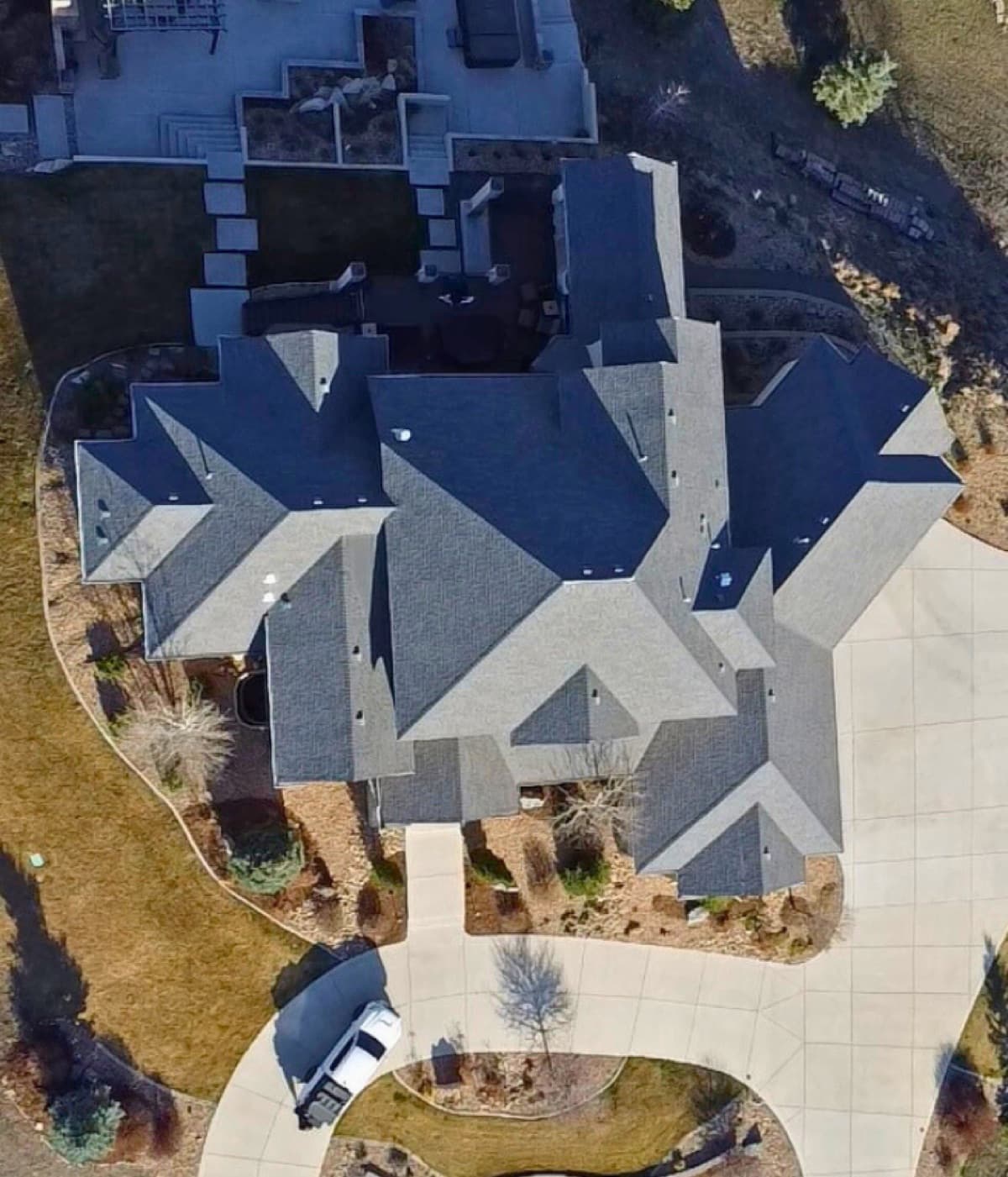
You asked three roofing companies for estimates. One came back at $14,000. Another at $19,000. The third at $22,000. They are all for the same roof. What is going on?
The answer is almost always in the details. Roofing estimates are not standardized. Every company formats theirs differently, includes different line items, and makes different assumptions about what the job requires. If you do not know what to look for, it is nearly impossible to make an apples to apples comparison.
Here is how to read a roofing estimate like a professional, so you can spot the red flags, ask the right questions, and choose the best value for your money.
The Basics Every Estimate Should Include
A legitimate roofing estimate should include, at minimum, the total square footage of your roof measured in roofing squares (one square equals 100 square feet), the specific shingle product and color, the type of underlayment, details on flashing, drip edge, ridge cap, and ventilation, the number of layers to be removed (tear off), disposal and cleanup, permits, and a timeline.
If an estimate is just a single number on a piece of paper with no breakdown, that is a major red flag. Walk away. A company that will not itemize their estimate is either cutting corners or hiding something.
Shingle Product and Grade
This is the single most important line item on any estimate. The shingle product determines the warranty, the hail resistance, the aesthetic, and a significant portion of the cost.
In Colorado, you should be looking for Class 4 impact resistant shingles Class 4 impact resistant shingles. The insurance discount alone (typically 20 to 35 percent off your annual premium) makes them worth the upgrade over standard 3 tab or architectural shingles.
Common product lines you will see on Colorado estimates include GAF Timberline HDZ or ArmourShield II, Malarkey Vista AR or Highlander NEX, CertainTeed Landmark or Landmark PRO, and Owens Corning Duration or Duration FLEX. Make sure the estimate specifies the exact product, not just 'architectural shingles' or 'Class 4 shingles.' Different products within the same class have different prices and warranties.
Underlayment: The Hidden Layer That Matters
Underlayment goes between the decking and the shingles. It is your roof's second line of defense against water infiltration. There are two main types: synthetic felt and ice and water shield.
Synthetic underlayment is standard and covers the entire roof. It is lightweight, tear resistant, and handles Colorado's temperature swings well. Every estimate should include full synthetic underlayment.
Ice and water shield is a self-adhering membrane applied in specific areas prone to ice dams and water backup. In Colorado, building code typically requires it along eaves, in valleys, and around penetrations like skylights and pipes. Some contractors skip this to lower their price. Do not let them.
If an estimate says 'felt paper' or '15 pound felt,' that is an outdated material. Synthetic is the current standard and performs significantly better.
Flashing, Drip Edge, and Ventilation
These are the components that separate a roof that lasts from a roof that leaks within five years.
Flashing is the metal material installed around chimneys, skylights, walls, and other roof penetrations. Proper step flashing and counter flashing are critical. If an estimate says 'reuse existing flashing,' ask why. Reusing old flashing on a new roof is a common shortcut that leads to leaks.
Drip edge is the metal strip along the edges of the roof that directs water into the gutters. Colorado building code requires it, and every estimate should include new drip edge on all edges.
Ventilation is how your attic breathes. Proper ventilation extends shingle life, prevents ice dams, and reduces energy costs. Your estimate should address ridge vent, soffit vents, or other ventilation components. If it does not mention ventilation at all, ask about it.
Tear Off and Disposal
Most Colorado roof replacements require a full tear off of the existing shingles down to the decking. This is the right way to do it. It allows the contractor to inspect the decking for rot or damage, ensure the new underlayment adheres properly, and meet manufacturer warranty requirements.
Some estimates include a 'lay over' or 'overlay' where new shingles go directly over old ones. This is cheaper but voids most manufacturer warranties, hides potential decking issues, and adds weight to your roof structure. In Colorado's climate, we strongly recommend against it roof replacement services.
Disposal should be itemized. A full tear off generates a lot of material (typically one to two dumpsters for an average home). The estimate should include dumpster rental, debris removal, and site cleanup.
Permits and Code Compliance
Most Colorado municipalities require a permit for a roof replacement. The permit fee is typically $100 to $300 depending on the jurisdiction. A legitimate contractor includes this in the estimate.
If a contractor says 'we can skip the permit to save you money,' that is a red flag. Unpermitted work creates problems with home sales, insurance claims, and warranty coverage insurance claims assistance.
Warranty Details
There are two warranties that matter: the manufacturer's material warranty and the contractor's workmanship warranty.
Manufacturer warranties vary widely. A standard GAF system warranty covers materials for 25 to 50 years depending on the product. A GAF Golden Pledge warranty (available only through Master Elite contractors) adds 25 year workmanship coverage backed by GAF, not just the contractor GAF Golden Pledge warranty.
The contractor's workmanship warranty covers installation errors. Industry standard is 5 to 10 years. Some companies offer longer. Ask what is covered, what is excluded, and what happens if the company goes out of business.
At Gates Enterprises, our quadruple manufacturer certification gives us access to the strongest warranty programs from all four major manufacturers roof replacement services.
Red Flags to Watch For
An estimate with no line item breakdown. Just a total number with no details.
Significantly lower price than other estimates. This usually means cheaper materials, skipped steps, or a company that will hit you with change orders later.
No mention of permits. Either they are cutting corners or they will surprise you with the fee later.
Reusing existing flashing on a new roof. This is almost always a bad idea.
No specific product names. Just 'shingles' or '30 year shingles' without specifying the manufacturer and product line.
Pressure to sign immediately. A legitimate contractor gives you time to compare estimates and make an informed decision.
How to Compare Estimates Side by Side
Create a simple checklist. For each estimate, note the shingle product and grade, the underlayment type, whether ice and water shield is included, whether all flashing is new, whether drip edge is included, the ventilation plan, whether it is full tear off or overlay, disposal and cleanup, permits, the manufacturer warranty, the workmanship warranty, and the timeline.
The lowest price is rarely the best value. The best value is the estimate that includes everything your roof needs, uses quality materials, comes from a certified contractor, and includes strong warranties schedule a free inspection.
Get Your Free Estimate from Gates Enterprises
We provide detailed, itemized estimates that show you exactly what you are paying for. No hidden fees, no surprises, no pressure. As the only quadruple certified roofing company in Colorado, we have access to the best materials and the longest warranties from all four major manufacturers.
Schedule your free inspection today and see the difference a detailed estimate makes See our best roofer in Denver page for certified roofing options near you..