
Water is dripping from your ceiling. Maybe it is a steady drip into a bucket. Maybe it is a spreading stain that appeared after last night's storm. Either way, you need to act fast.
A leaking roof is not something you can ignore or put off until next week. Water damage compounds quickly. What starts as a small drip can become saturated insulation, damaged drywall, warped framing, and mold growth within days. The faster you respond, the less damage your home sustains and the less you pay to fix it.
Here is exactly what to do when your roof is leaking in the Denver metro area.
Step 1: Contain the Water
Grab buckets, towels, or bins and place them under every active drip. If water is pooling on the ceiling and creating a bulge, poke a small hole in the center of the bulge with a screwdriver to let the water drain into a bucket. This sounds counterintuitive, but it prevents the water from spreading across a larger area of ceiling and causing a collapse.
Move furniture, electronics, and valuables away from the affected area. If water is near any electrical outlets, switches, or fixtures, turn off the power to that area at the breaker box.
Step 2: Document Everything
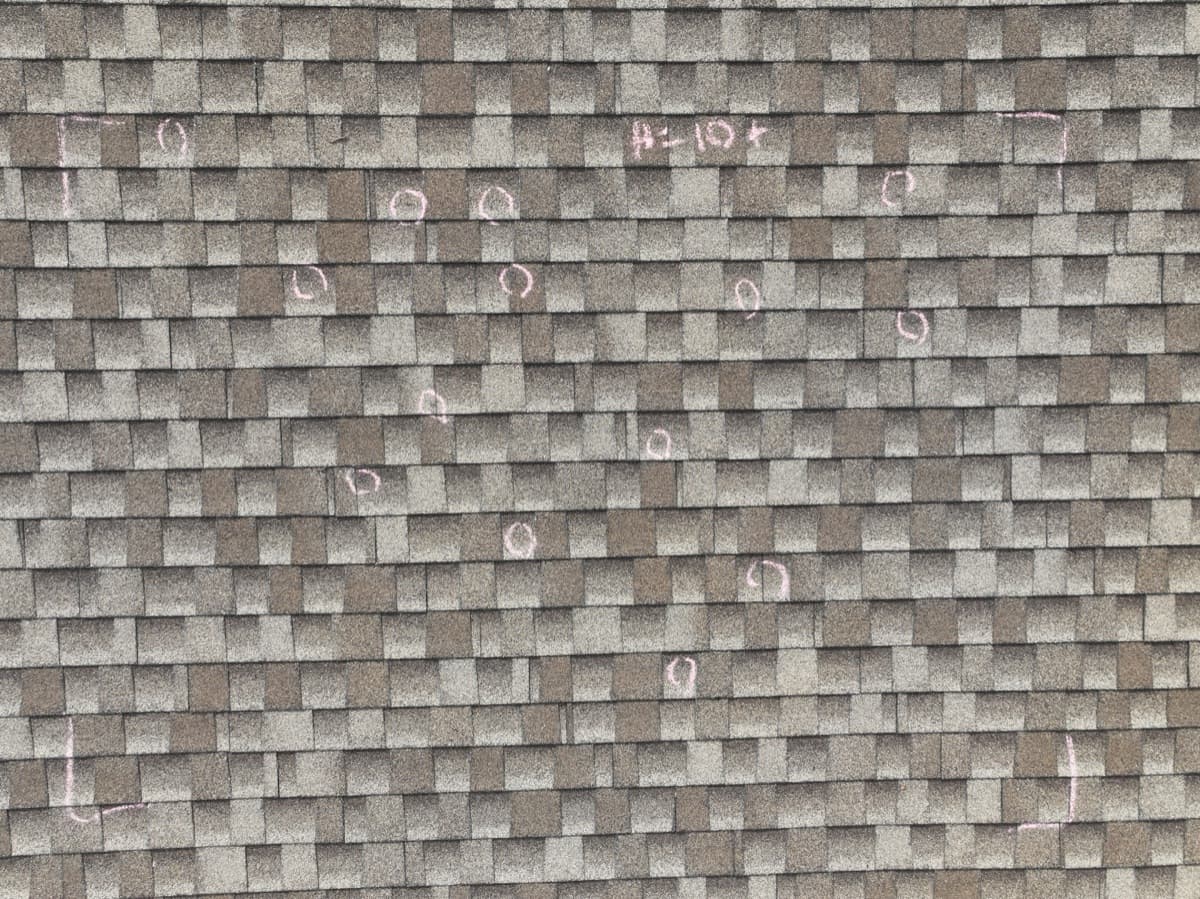
Before you start any cleanup or temporary repairs, take photos and video of the damage. Photograph the ceiling, the walls, the floor, any damaged belongings, and the exterior of your roof if you can see obvious damage from the ground. This documentation is essential for your insurance claim insurance restoration support.
Step 3: Apply a Temporary Fix (If Safe)
If you can safely access the source of the leak from inside your attic, you can apply a temporary patch. Use roofing cement or a bucket to catch the water at the source. Do not attempt to climb onto your roof during a storm or in wet conditions.
If the damage is severe, cover the affected area of the roof with a tarp. Secure the tarp with boards, bricks, or sandbags. This is a temporary measure to prevent additional water intrusion until a professional can make permanent repairs.
Step 4: Call a Professional Immediately
Emergency roof repair in Denver is not a DIY project. You need a licensed, insured roofing contractor who can respond quickly, assess the damage properly, and make repairs that will hold up until a full replacement can be scheduled if needed schedule an inspection.
At Gates Enterprises, we provide emergency storm response across the entire Denver metro area. When you call us with an active leak, we prioritize your situation and get a team to your property as quickly as possible.
What counts as an emergency? Active water intrusion into your living space. Structural damage visible from inside or outside. Missing or displaced roofing material after a storm. Tree or debris impact on your roof.
Step 5: File Your Insurance Claim
Contact your insurance company as soon as possible after the emergency is stabilized. Report the damage, provide your documentation, and request an adjuster visit. Keep all receipts for any temporary repairs or emergency services you needed.
Most Colorado homeowner policies cover sudden storm damage, including emergency repairs needed to prevent further damage to your property. The temporary repair costs are typically reimbursable as part of your claim insurance restoration support.
Common Causes of Emergency Roof Leaks in Denver
Hailstorms: Large hail cracks and displaces shingles, creating immediate pathways for water. Colorado's Front Range is one of the most hail active regions in the country, and every storm season produces emergency situations across the metro.
Wind damage: High winds can lift, crack, or completely remove shingles. The Denver area regularly experiences wind gusts of 50 to 80 mph during storm events, particularly along the foothills and in exposed areas like Lakewood, Arvada, and Golden our service areas.
Ice dams: In winter, ice dams form when heat escaping from your attic melts snow on the roof. The meltwater refreezes at the eaves, creating a dam that forces water under the shingles. This is particularly common in older Denver homes with poor attic insulation and ventilation.
Aging materials: A roof that is past its expected lifespan is more vulnerable to leaks from any weather event. If your roof is 15 to 20 years old, even moderate storms can cause failure roof replacement services.
Failed flashing: The metal components around chimneys, skylights, and vents can corrode, separate, or crack over time. Flashing failure is one of the most common sources of persistent leaks.
How to Avoid Emergency Situations
The best emergency is the one that never happens. Regular roof maintenance and pre season inspections catch problems before they become emergencies.
Schedule an annual roof inspection, ideally in the spring before hail season begins. A qualified roofer will identify worn shingles, deteriorating flashing, clogged drainage, and other issues that could become failures during a storm schedule an inspection.
Keep your gutters clean. Clogged gutters cause water to back up under the shingles, creating leaks that look like roof failure but are actually drainage issues.
Trim tree branches that overhang your roof. During storms, these branches can break and puncture your roofing material.
We Are Here When You Need Us
Roof emergencies do not wait for business hours, and neither do we. If your roof is leaking in the Denver metro area, call Gates Enterprises at (720) 766-3377. We will get your property protected and start the repair process immediately See our best roofer in Denver page for certified roofing options near you..