
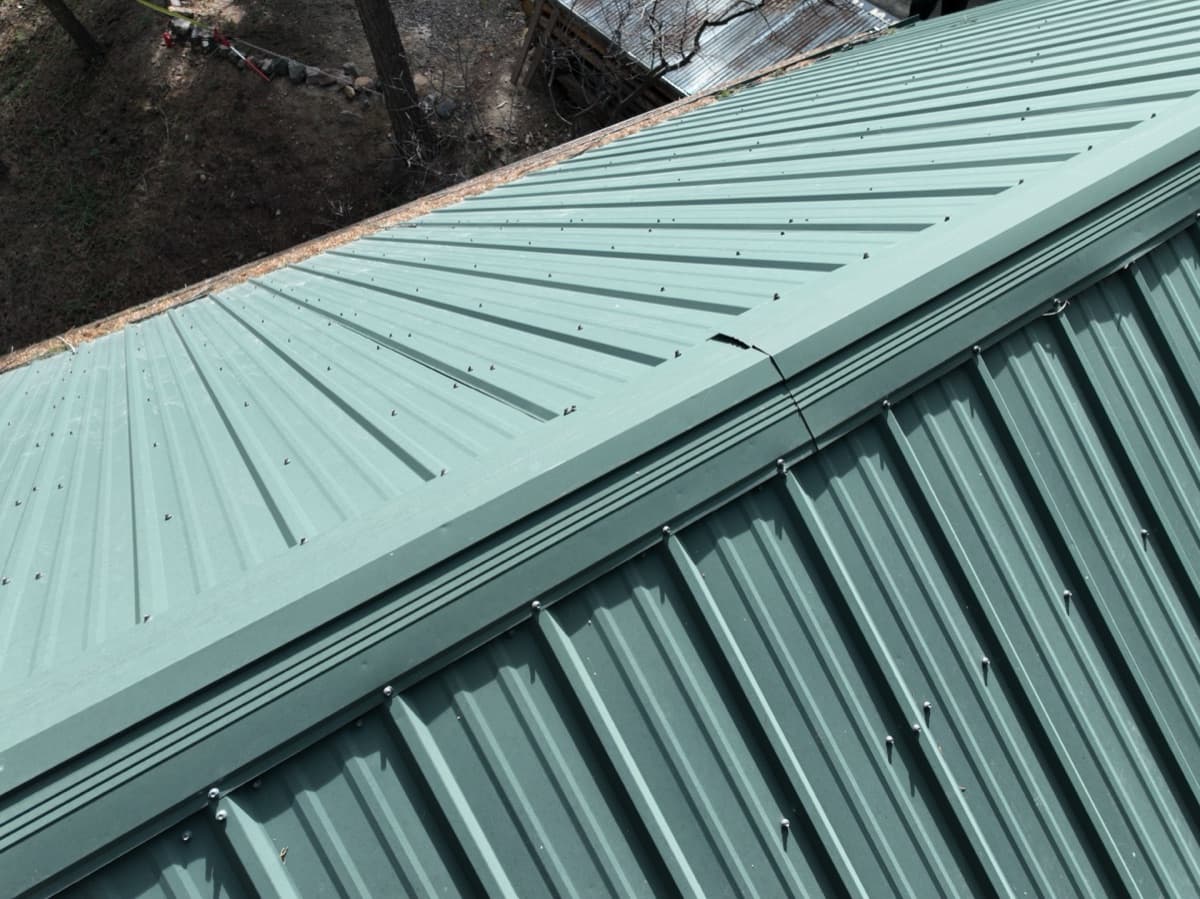
The storm just rolled through. Maybe it was hail the size of golf balls. Maybe it was 80 mph straight line winds. Maybe a tree branch is now sitting in your living room. Whatever happened, your roof took a hit, and you need to act fast.
Colorado's Front Range gets hit hard by severe weather, especially between April and September. We see major hailstorms, intense wind events, and the occasional tornado. Every year, thousands of homeowners find themselves standing in their kitchen staring at water dripping from the ceiling, wondering what to do next.
Here's your step by step game plan for the first 24 to 48 hours after a storm damages your roof storm and hail damage services.
Step 1: Make Sure Everyone Is Safe
Before you worry about your roof, make sure everyone in your home is safe. If there's structural damage, downed power lines near your house, or a gas smell, get everyone out and call 911.
Do not go up on your roof during or immediately after a storm. Wet, damaged roofs are extremely dangerous. Broken shingles are slippery. Damaged decking can give way under your weight. And if there's lightning still in the area, being on a roof is one of the worst places to be.
Your safety is more important than your roof. Always.
Step 2: Document Everything From the Ground
Once it's safe to go outside, start documenting the damage. You don't need to get on the roof to do this. Grab your phone and take photos and video of:
Any visible damage to the roof from the ground (missing shingles, exposed decking, debris). Damage to gutters, downspouts, and fascia. Hail damage to other surfaces like your car, deck, patio furniture, AC unit, and fence. Hail on the ground (place a coin or ruler next to it for scale). Water intrusion inside the house (ceiling stains, drips, wet insulation in the attic). The date and time stamp on your photos (most phones do this automatically).
This documentation is crucial for your insurance case. The more thorough you are, the smoother the process will be later. insurance restoration support
Step 3: Prevent Further Damage
You have a responsibility under your insurance policy to mitigate further damage. That means taking reasonable steps to prevent the problem from getting worse. You don't need to fix the roof yourself. You just need to contain the situation.
What You Can Do Safely
Place buckets or containers under any active leaks. Move furniture, electronics, and valuables away from wet areas. If water is pooling on the ceiling and creating a bulge, carefully poke a small hole in the center of the bulge to let the water drain into a bucket. This prevents the ceiling from collapsing under the weight of the water. Mop up standing water to prevent it from soaking into floors and subfloors.
What You Should NOT Do
Do not get on the roof to attempt repairs yourself. Do not try to tarp the roof yourself unless you have experience and proper equipment. Do not make permanent repairs before your insurance adjuster has seen the damage.
If you need emergency tarping, call a professional. Most reputable roofing companies offer emergency tarp services and can get to you quickly after a storm.
Step 4: Call Your Insurance Company
File with your insurance as soon as possible. Most insurance companies have 24 hour hotlines for storm events. When you call, have the following information ready:
Your policy number. The date and approximate time of the storm. A description of the damage you've observed. Photos if you can email or upload them.
Be factual and straightforward. Describe what you see without speculating about the extent of the damage. Your adjuster will assess the full scope when they come out.
Important: your insurance policy typically requires you to file within a specific timeframe. In Colorado, most policies give you one year from the date of the storm, but some have shorter windows. Don't delay.
Step 5: Call a Reputable Roofing Contractor
After you've called your insurance company, call a roofing contractor you trust. Ideally, you want them to inspect your roof before the insurance adjuster arrives so they can provide an independent assessment and be present during the adjuster's inspection.
Beware of Storm Chasers
This is critically important. After every major storm in Colorado, contractors from out of state flood into the area. They knock on doors, leave flyers, and promise fast, cheap repairs. Many of them are legitimate. Many of them are not.
Here's how to identify a storm chaser you should avoid:
They show up unsolicited within hours of the storm. They pressure you to sign a contract immediately. They offer to pay your insurance deductible (this is insurance fraud in Colorado). They don't have a local office or a verifiable history in the area. They can't provide proof of Colorado contractor licensing and insurance. They ask you to sign over your insurance check or your "assignment of benefits."
A reputable local contractor will never pressure you. They'll inspect your roof, document the damage, explain your options, and let you make an informed decision on your own timeline. about Gates Enterprises
Step 6: Get a Professional Roof Inspection
A thorough roof inspection after a storm involves more than a quick look from the ground. A qualified inspector will:
Get on the roof (safely) and examine every section. Check for hail hits on shingles, ridge caps, vents, and flashing. Test for soft spots in the shingle mat that indicate impact damage. Inspect the attic for signs of water intrusion. Document everything with photos and detailed notes. Provide you with a written report of their findings.
At Gates Enterprises, we provide free storm damage inspections across the entire Front Range. Our inspectors know exactly what insurance adjusters look for, and we document damage in a format that supports your case. schedule a free inspection
Step 7: Understand Your Repair vs. Replacement Options
Not every storm means you need a full roof replacement. Minor damage might only require repairs. Here's a general guide: roof replacement services
Repair Is Usually Sufficient When:
Damage is limited to a small area (a few shingles blown off by wind). Flashing was displaced but the underlying structure is intact. A single penetration (vent boot, pipe collar) was damaged.
Replacement Is Usually Necessary When:
Hail damage is widespread across the entire roof surface. Multiple areas show signs of impact, granule loss, or cracking. The roof was already nearing the end of its lifespan before the storm. Structural damage (sagging, broken decking) is present.
Your contractor can help you understand which situation applies to your roof, and that assessment should align with what your insurance company approves.
Step 8: Coordinate With Your Insurance Adjuster
When your insurance adjuster schedules their inspection, ask your roofing contractor to be there. This meeting is often the most important moment in the entire insurance process.
Your contractor can walk the roof with the adjuster, point out damage that might be missed, and discuss the scope of work needed. Having a professional contractor present communicates to the adjuster that you're informed and prepared. It also ensures that the adjuster's report is thorough and accurate.
If the adjuster's initial assessment seems low, your contractor can help you submit a supplement with additional documentation. This is standard practice and happens on a significant percentage of insurance projects. insurance restoration support
What NOT to Do After a Storm
A few quick reminders of common mistakes we see homeowners make:
Don't wait too long. Unrepaired storm damage gets worse. A small leak becomes a big leak. Water damage spreads. Mold starts growing. Address the damage promptly.
Don't sign anything you don't understand. Read every document before you sign it. If a contractor puts a contract in front of you that you haven't had time to review, that's a red flag.
Don't make permanent repairs before the adjuster visits. Emergency tarping is fine. But installing new shingles before the insurance company has documented the damage can complicate your case.
Don't throw away damaged materials. If shingles or other roofing components have fallen into your yard, keep them. Your adjuster may want to see them.
Gates Enterprises: Your Storm Damage Partner
Storms are stressful. The last thing you need is a complicated insurance process on top of a damaged roof. That's why we support the entire process for you. From the initial free inspection to the insurance restoration support to the final installation, our team is with you every step of the way.
With thousands of roofs completed and more than 10 years of experience on the Colorado Front Range, we've been through every type of storm and every type of insurance situation. We're quadruple certified by GAF, CertainTeed, Malarkey, and Emerald Premium, which means we can install the best products available with the best warranties in the industry. our certifications
We're based right here in Lakewood and serve the entire Front Range. When a storm hits, we don't fly in from out of state. We're already here, and we're ready to help.
Storm damage? Call Gates Enterprises at (720) 766-3377 or contact us for a free emergency roof inspection. We respond quickly after storms and we'll be there when you need us See our best roofer in Denver page for certified roofing options near you..