
Roofing Tips & News
Expert advice on Colorado roofing, insurance restoration, storm prep, and choosing the right materials for your home.
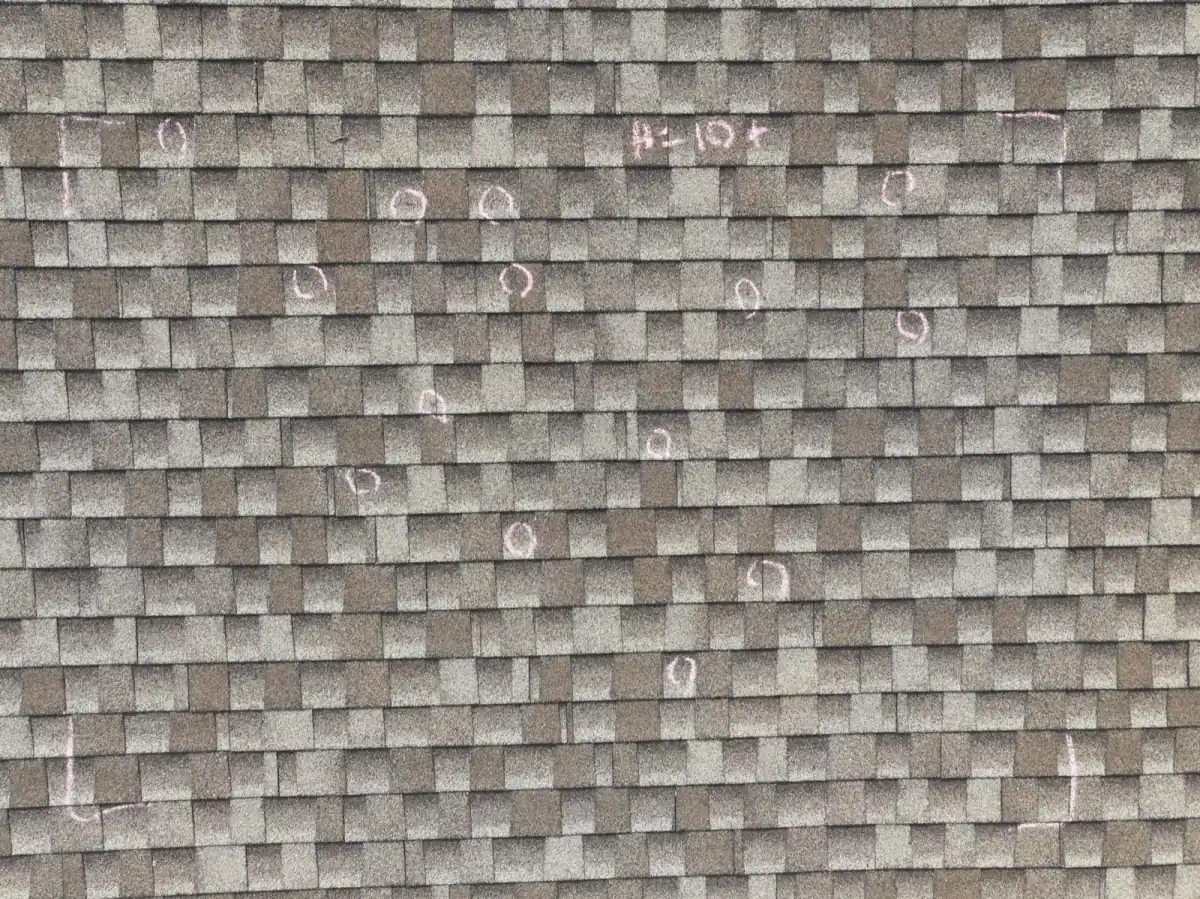
Colorado Hail Season 2026: What Homeowners Need to Know
Colorado hail season runs from April through September, with the most destructive storms hitting between May and August. If you own a home along the Front Range, now is the time to prepare. This guide covers everything from storm timing to insurance strategy.
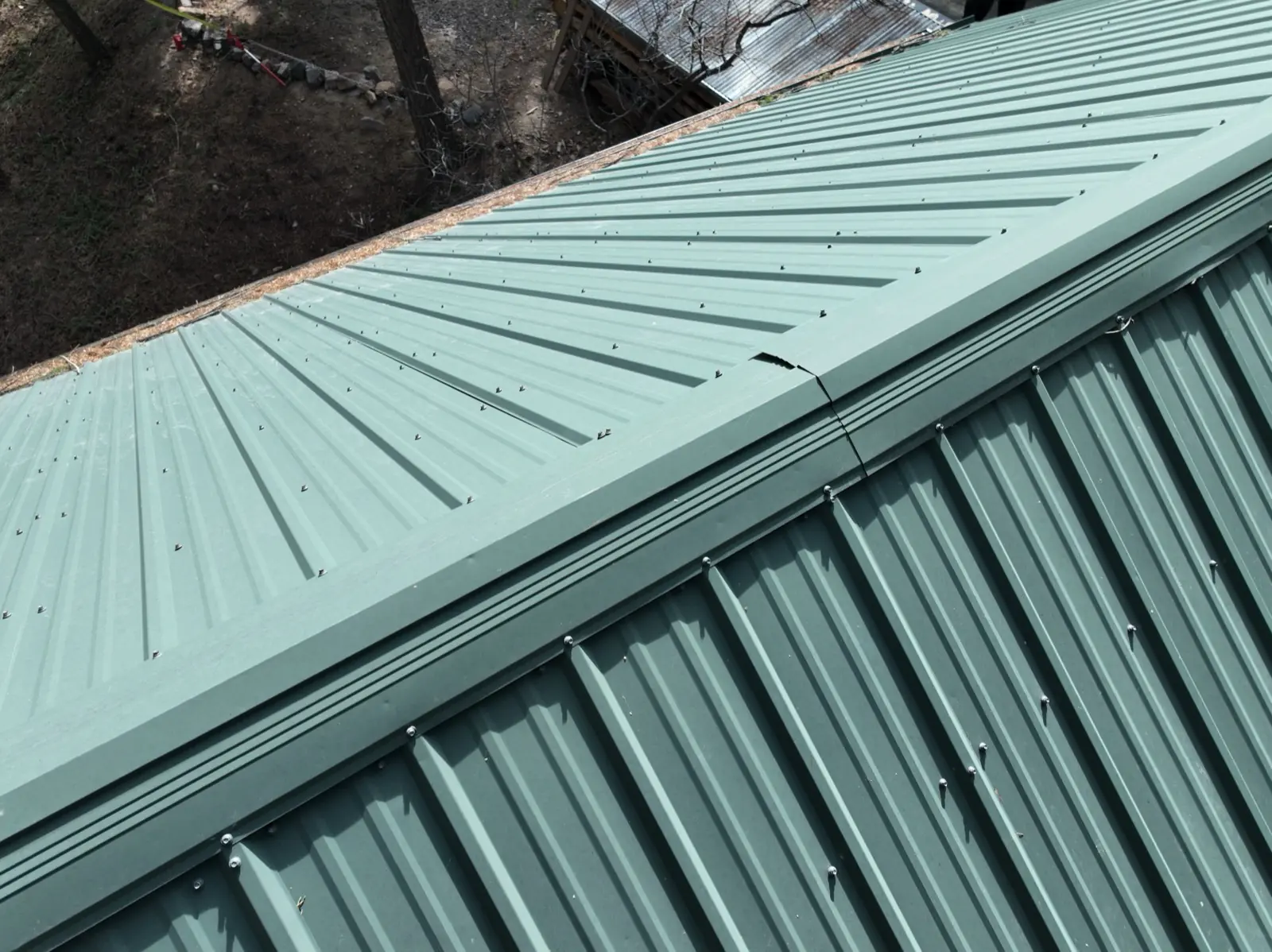
What Does Hail Damage Look Like on a Roof?
After a Colorado hailstorm, your roof may look fine from the driveway. But hail damage is not always obvious. Knowing what to look for can save you thousands in repairs and make the difference between a successful insurance claim and a denied one.
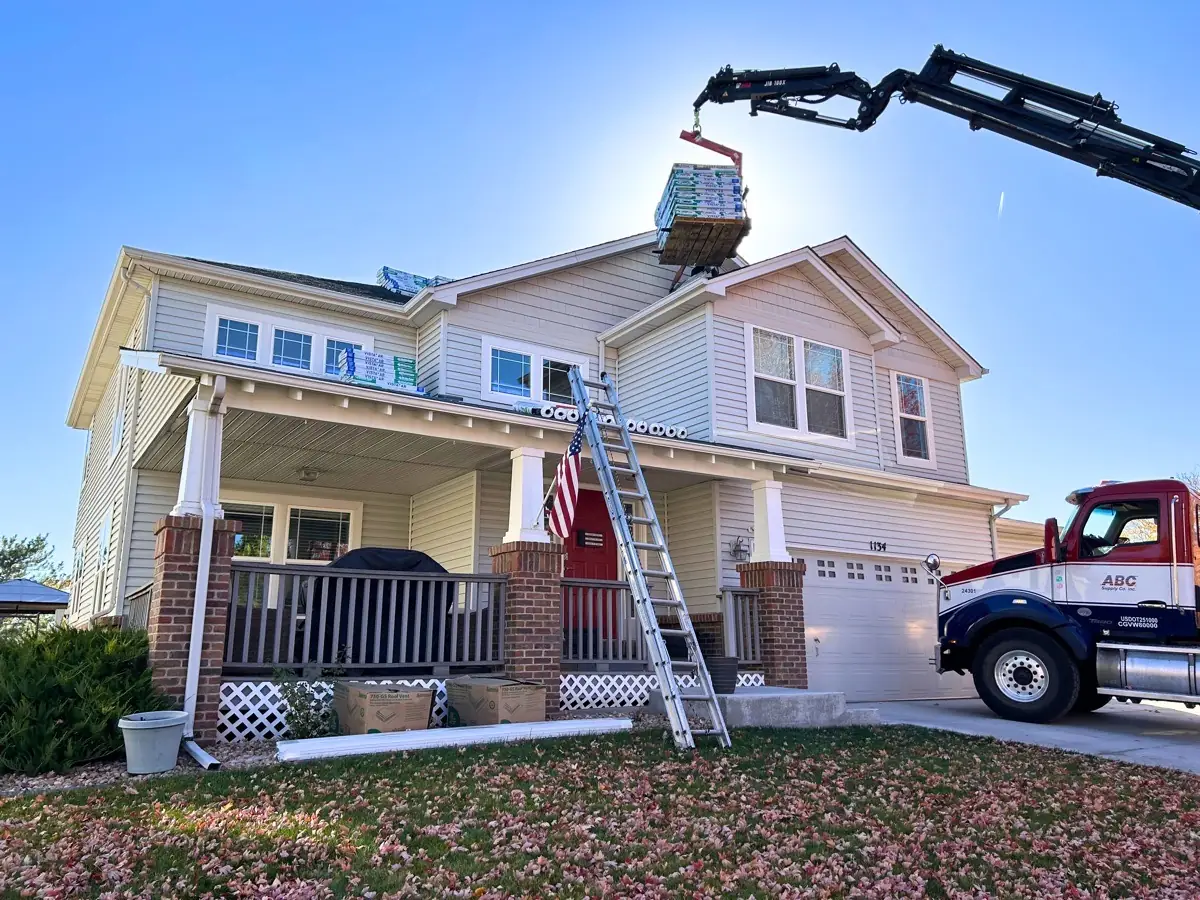
Flat Roof vs Pitched Roof: Which Is Better for Colorado Weather?
Colorado weather is relentless. Hailstorms, heavy snow, intense UV exposure at elevation, and wild temperature swings all take a toll on your roof. Choosing between a flat roof and a pitched roof is one of the biggest decisions a Colorado property owner can make.
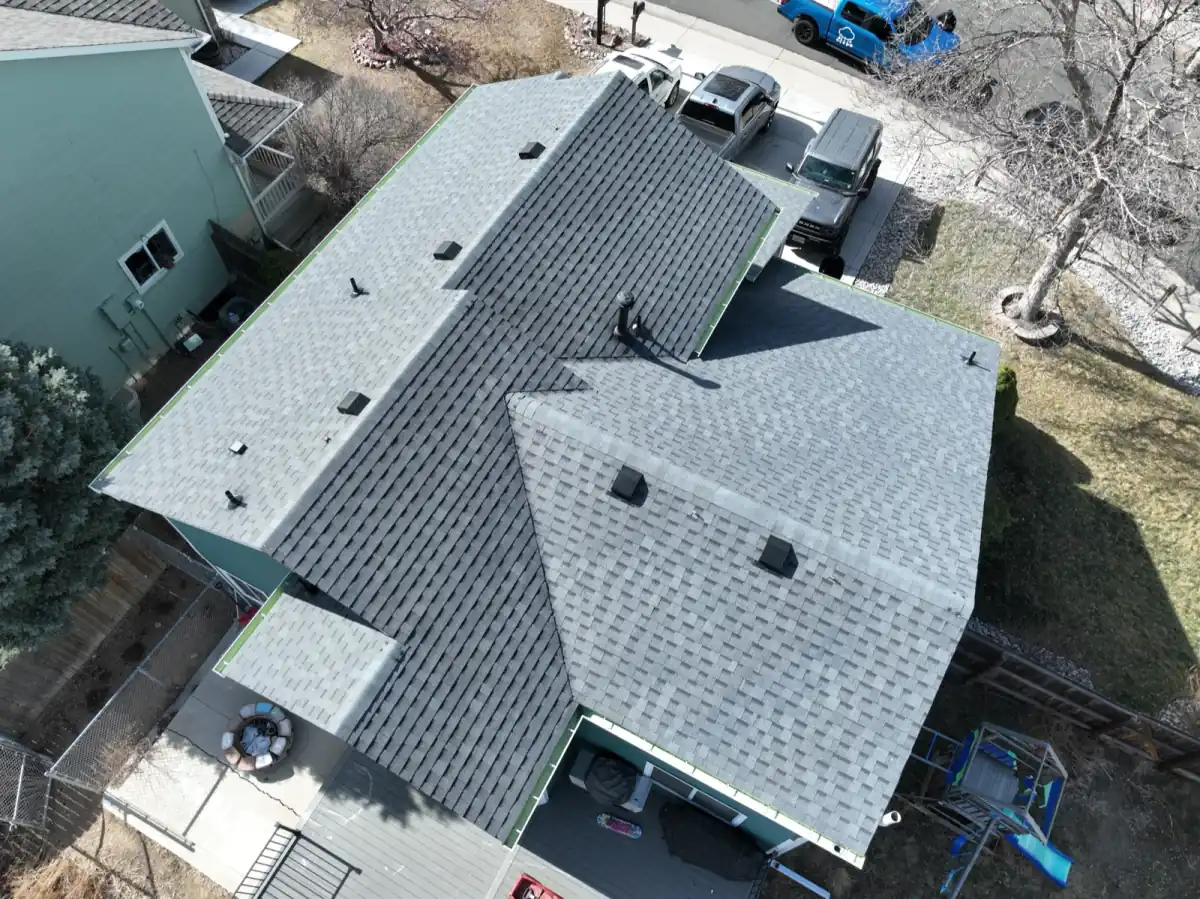
Colorado Roof Insurance Claims: A Complete Homeowner's Guide
Filing a roof insurance claim in Colorado sounds straightforward until you are actually in the middle of it. Adjusters, supplements, depreciation holdbacks, ACV vs RCV. Every homeowner who has been through this process knows it is more complicated than the TV commercials suggest.
How to Choose a Roofing Contractor in Denver (Without Getting Scammed)
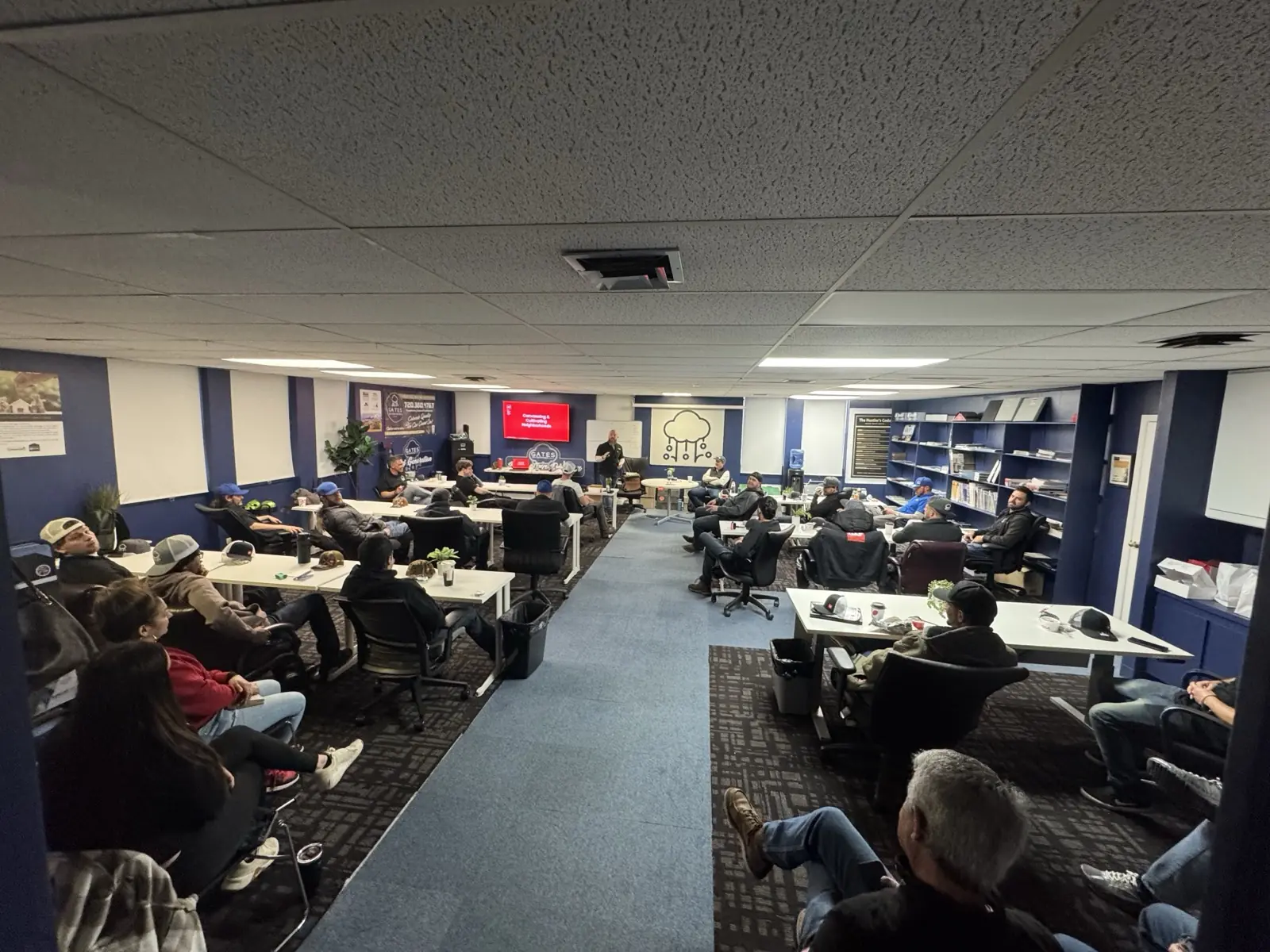
Denver's roofing market is one of the most competitive and unpredictable in the country. Every hailstorm brings a wave of contractors from out of state, and even local companies vary wildly in quality. Knowing how to separate the legitimate contractors from the ones that will disappear after cashing your check is critical.
What to Do After a Hailstorm Hits Your Home in Colorado
A hailstorm just rolled through your neighborhood. The skies have cleared, but the damage is done. What you do in the next 24 to 72 hours can have a major impact on the outcome of your insurance claim and the long-term health of your roof.
Why Quadruple Manufacturer Certifications Matter for Your Roof
When you hire a roofing contractor, you are trusting them with the most critical protective system on your home. Most homeowners compare quotes and check a few reviews. Very few think to ask about manufacturer certifications. That is a mistake worth correcting.
How to Navigate Hail Damage Insurance in Colorado (And Actually Get Paid)
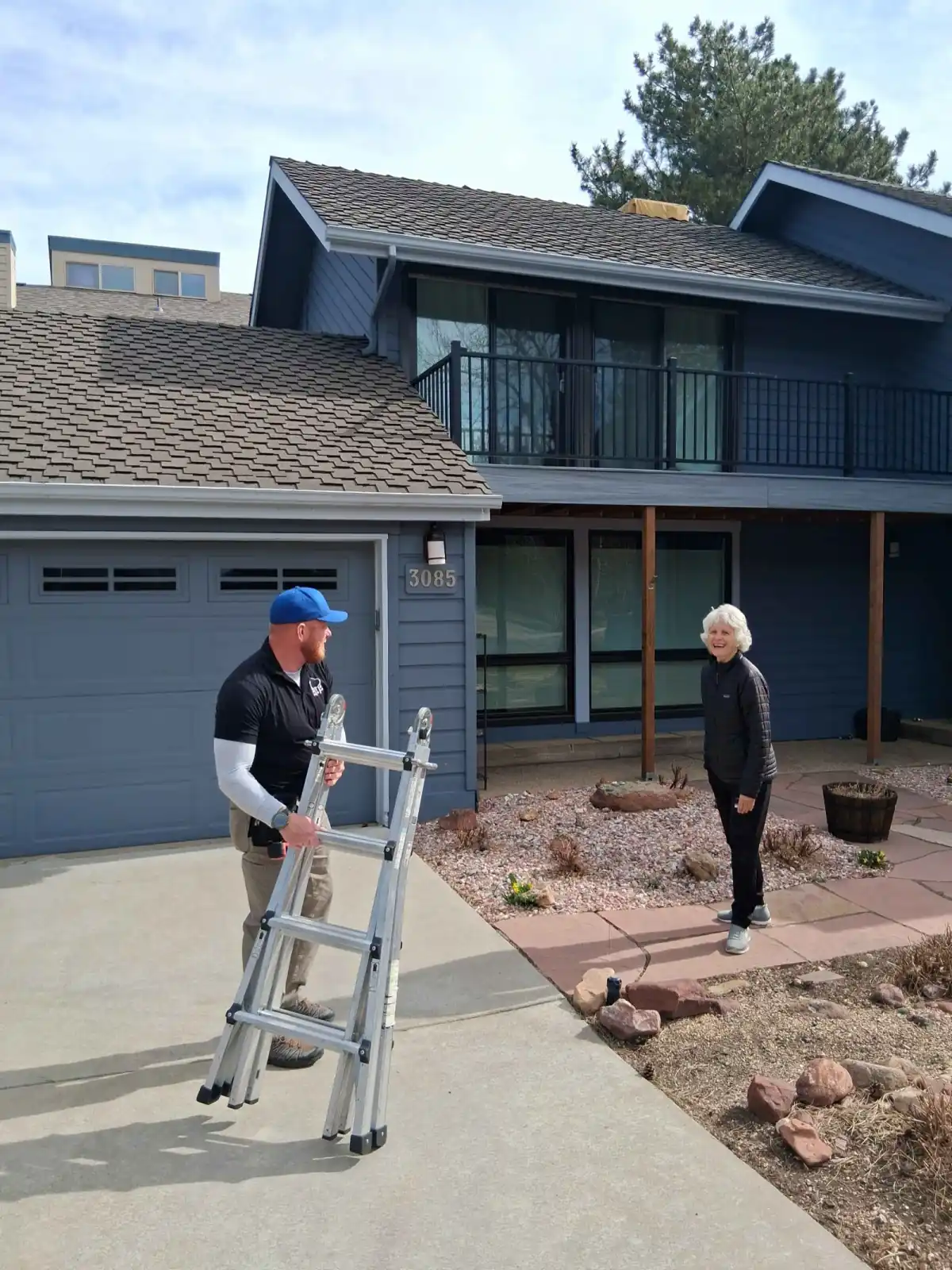
If you live along the Colorado Front Range, you already know the drill. A nasty storm rolls through, hailstones the size of golf balls pummel your roof for fifteen minutes, and then the sun comes back
How to Choose a Roofing Contractor in Colorado Without Getting Burned
Choosing a roofing contractor is one of those decisions that seems simple until you actually start the process. You Google "roofing company near me," get bombarded with ads, receive three or four wild
Class 4 Impact Resistant Shingles: What They Are and Why Colorado Homeowners Love Them
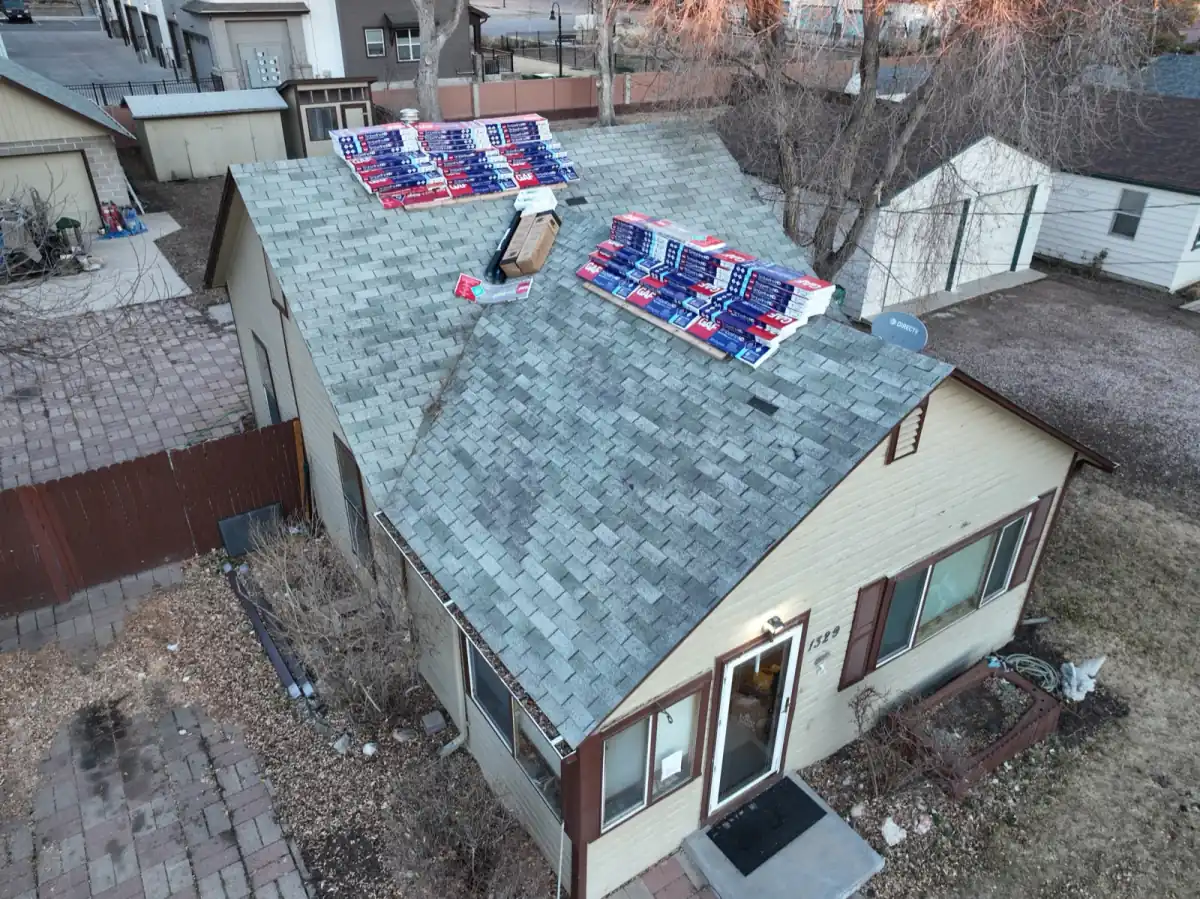
If you have lived in Colorado for more than a year or two, you have probably had a conversation about hail damage. Maybe it was with a neighbor who just got their roof replaced. Maybe it was with your
Colorado Hail Season 2026: What Homeowners Need to Know
Every year, Colorado earns its reputation as one of the most hail prone states in the entire country. And every year, thousands of homeowners get caught off guard by storm damage they could have been
How Much Does a Roof Replacement Cost in Denver? (2026 Guide)
If you are searching for the cost of a roof replacement in Denver, you have probably noticed that getting a straight answer is surprisingly difficult. Every website gives a different range. Every cont
8 Signs You Need a New Roof (And 3 That Don't Mean What You Think)
Your roof doesn't send you a text when it's ready to retire. It drops hints. Some of them are obvious, and some are so subtle you'd never notice unless you knew what to look for.
GAF vs. Malarkey vs. CertainTeed: Which Shingle Is Best for Colorado?
Choosing a shingle brand for your Colorado roof isn't like picking a paint color. This decision affects how your roof handles hail, UV radiation, temperature swings, and wind for the next 20 to 50 yea
What Your Insurance Adjuster Won't Tell You About Your Roof
You filed after a hailstorm. The insurance adjuster came out, walked around for fifteen minutes, and told you your roof is fine. Or maybe they approved coverage but for a fraction of wha
HOA Roofing Requirements in Denver Suburbs: What You Need to Know Before You Replace
You need a new roof. You picked out a great shingle color. You got quotes from a few contractors. You're ready to go.
Emergency Roof Repair: What to Do Right After a Storm Hits
The storm just rolled through. Maybe it was hail the size of golf balls. Maybe it was 80 mph straight line winds. Maybe a tree branch is now sitting in your living room. Whatever happened, your roof t
Colorado Roof Maintenance Checklist: What to Do Every Season
A Colorado roof works harder than almost any other roof in the country. Between the hailstorms in the spring, the intense UV at altitude in the summer, the pine needles piling up in the fall, and the
How Long Does a Roof Last in Colorado? (The Real Answer)
The national average lifespan for an asphalt shingle roof is usually quoted somewhere between 25 and 30 years. That number sounds reassuring until you live in Colorado for a few years and start watching
GAF Golden Pledge Warranty: Is It Worth It for Colorado Homeowners?
When you are spending thousands of dollars on a new roof, the warranty matters. Not just what it says on the package, but who is actually backing it and for how long. The GAF Golden Pledge warranty is the
Ice Dams in Colorado: What They Are and How to Prevent Them
If you have ever noticed a thick ridge of ice building up along the lower edge of your roof in January or February, you were looking at an ice dam. They look almost decorative from the outside, but insi
Roof Insurance Deductibles in Colorado: What You Need to Know Before You File
Most Colorado homeowners know they have a deductible on their homeowner's insurance. What surprises many of them is just how large that deductible can be when it comes specifically to hail and wind damage
James Hardie Siding in Colorado: Why It Outperforms Vinyl in Our Climate
If you have been shopping for new siding for your Colorado home, you have probably noticed that the conversation almost always comes down to vinyl versus James Hardie fiber cement. Both are popular. Both are
How to Choose the Right Shingle Color for Your Colorado Home
Choosing a shingle color sounds like the fun part of a roof replacement. And it can be. But it is also a decision that will affect your home's appearance, your energy bills, and potentially your resale val
Flat Roof Repair and Replacement in Denver: What Homeowners Need to Know
Denver has a surprisingly large stock of flat and low slope roofing across its housing inventory. Mid century modern homes built in the 1950s through 1970s, additions and sunrooms on older ranch houses, garag
How to Document Storm Damage on Your Colorado Home (Before the Roofer Arrives)
After a hailstorm or major wind event hits your neighborhood, the clock starts running. Insurance companies have timelines, adjusters book out quickly after large storm events, and evidence of damage can
Gutter Replacement Cost in Denver: What to Expect in 2026
If your gutters took a hit in the last hailstorm, or if they have simply reached the end of their life after years of Colorado winters and spring storms, you are probably trying to figure out what new gutte
Owens Corning vs GAF Shingles: Which Is Better for Colorado?
When homeowners start researching new roofing materials for a Colorado replacement, the conversation almost always comes down to two brands: GAF and Owens Corning. Together they hold roughly half the North A
Roof Ventilation in Colorado: Why It Matters More Than You Think
If you asked most Colorado homeowners what they know about their attic ventilation, you would get a lot of blank stares. Ventilation is invisible, it makes no noise when it is working correctly, and it is
Best Roofing Company in Lakewood, CO: What to Look For in 2026
Finding the best roofing company in Lakewood, CO is not as simple as picking the first name that pops up on Google. Lakewood homeowners deal with a unique set of challenges that most roofing companies
Hail Damage Roof Repair in Lakewood, Colorado: A Complete Guide
Lakewood, Colorado sits right in the crosshairs of the Front Range hail corridor. Every summer, storms build over the foothills and sweep across Jefferson County, dropping hailstones that can range fro
How Much Does a Roof Replacement Cost in Lakewood, CO? (2026 Prices)
If you are trying to figure out what a roof replacement costs in Lakewood, CO, you are probably finding a lot of vague answers and wide ranges that are not particularly helpful. We are going to give yo
Best Time of Year to Replace Your Roof in Colorado (2026 Guide)
If you are thinking about replacing your roof in Colorado, one of the smartest questions you can ask is: when should I do it? The answer matters more than you might think.
Metal Roof vs. Shingles in Colorado: Which Is Better for Your Home?
If you are weighing metal roofing against asphalt shingles for your Colorado home, you are asking the right question. Both have real advantages, and the best choice depends on your specific situation.
How to Read a Roofing Estimate (So You Don't Get Ripped Off)
You asked three roofing companies for estimates. One came back at $14,000. Another at $19,000. The third at $22,000. They are all for the same roof. What is going on?
Colorado Hail Season 2026: What Homeowners Need to Know
Every year, Colorado's Front Range braces for hail season. It is not a question of if storms will hit. It is a question of when, where, and how big.
Emergency Roof Repair in Denver: What to Do When Your Roof Is Leaking
Water is dripping from your ceiling. Maybe it is a steady drip into a bucket. Maybe it is a spreading stain that appeared after last night's storm. Either way, you need to act fast.
7 Signs of Hail Damage on Your Roof (With Photos You Can Check Yourself)
A hailstorm just rolled through your neighborhood. The car has a few dings, the garden took a beating, and now you are wondering: did my roof get damaged?
5 Roof Insurance Claim Tips Every Colorado Homeowner Should Know
You have hail damage. Your insurance should cover it. But the process is not as simple as calling your agent and waiting for a check. Here are the 5 things that separate homeowners who get full payouts from those who get lowballed.
Spring Roof Maintenance Checklist for Colorado Homeowners
March in Colorado means one thing for your roof: the calm before the storm. Literally. In about four weeks, hail season begins. Here is your checklist to make sure your roof is ready.
2026 Colorado Hail Season Forecast: What Homeowners Need to Know
Colorado hail season runs from April through September, with the worst storms hitting the Front Range between May and July. Here is what homeowners need to know heading into 2026 and how to protect your roof before the first storm.
How Much Does a Roof Replacement Cost in Colorado? (2026 Guide)
The most common question we hear from Colorado homeowners: how much is this going to cost? The honest answer depends on several factors, and anyone who gives you a price without seeing your roof is guessing.
How to File a Hail Damage Insurance Claim in Colorado (Step by Step)
Colorado gets hit by more hailstorms than almost any other state. If your roof has been damaged, your homeowners insurance should cover the repair or replacement. But the claims process is not always straightforward.
How to Choose a Roofing Contractor in Colorado: The Complete Guide
Colorado has no state licensing requirement for roofing contractors. That means anyone with a truck, a ladder, and a business card can knock on your door and offer to replace your roof. Some of those people do great work. Many do not.
Understanding Your Roof's Hail Damage: A Colorado Homeowner's Insurance Guide
A hailstorm just rolled through your Colorado neighborhood. The car has dents, the garden is shredded, and your neighbors are already out in their yards looking up at their roofs. Now what?
How Long Does a Roof Last in Colorado? The Honest Answer
If you are a Colorado homeowner wondering how much life your roof has left, the answer is more complicated than a manufacturer warranty suggests. Colorado's climate is uniquely harsh on roofing materials, and the real lifespan of your roof depends on what it is made of, how it was installed, and what it has been through.
How to File a Hail Damage Insurance Claim in Colorado: The Complete Guide
Filing a hail damage insurance claim in Colorado should not be complicated, but insurance companies do not make it easy. This guide walks you through every step of the process, from documenting damage to negotiating supplements, so you get the full payout your policy covers.
Soffit and Fascia Repair in Colorado: Signs, Costs, and What to Expect
Most Colorado homeowners can name the shingles on their roof. Very few can tell you the condition of their soffit and fascia. That blind spot costs people real money every year.
What to Do After a Hailstorm Hits Your Neighborhood
The sirens have stopped, the hail has moved on, and your neighborhood looks like it just went through a war zone. Dented cars in the driveway, leaves shredded off the trees, and that sinking feeling that your roof just took a serious beating.
How Much Does Hail Damage Roof Repair Cost in Colorado (2026)
Your roof just got hammered by hail, and the first question on your mind is probably: how much is this going to cost me? The honest answer is that it depends on a lot of factors. But we can give you real numbers based on thousands of hail damage projects across the Colorado Front Range.
Signs of Hail Damage You Can See From the Ground
You do not need to climb on your roof to know it took a beating. After a Colorado hailstorm, the evidence is often hiding in plain sight all around your property. You just need to know where to look.
GAF Timberline HDZ Shingles: Why Colorado Contractors Recommend Them
The GAF Timberline HDZ is the single best selling shingle in North America. But popularity alone does not make a product the right choice for your Colorado home. Here is what makes this shingle stand out along the Front Range.
Owens Corning Duration Shingles: A Colorado Homeowner's Guide
Owens Corning Duration shingles are one of the top architectural shingle lines in North America. If you are comparing roofing products for your Colorado home, here is everything you need to know about this popular option.
Tile Roofing in Colorado: Pros, Cons, and What to Expect
Tile roofs look stunning and can last a lifetime. But Colorado's freeze thaw cycles, hailstorms, and altitude create challenges that tile handles differently than shingles. Here is what Colorado homeowners need to know before choosing tile.
Wood Shake Roofs in Colorado: Beautiful but High Maintenance
Wood shake roofs have a natural warmth and character that no other material can quite replicate. But in Colorado, they come with real challenges that every homeowner should understand before committing.
Standing Seam Metal Roofing: Is It Worth the Investment in Colorado?
Standing seam metal roofing is the premium metal option that Colorado homeowners keep asking about. It costs more than shingles but offers decades of durability. Here is a realistic look at whether it makes financial sense on the Front Range.
Synthetic Slate Roofing: The Modern Alternative for Colorado Homes
Natural slate is gorgeous but costs a fortune and weighs a ton. Synthetic slate delivers the same upscale look at a fraction of the weight and cost, with performance that actually suits Colorado better.
CertainTeed Landmark Shingles: Performance in Colorado Weather
CertainTeed has been making building products since 1904. Their Landmark shingle series is a premium option that offers some unique advantages for Colorado homeowners, especially when you step up to their SBS modified lines.
What Your Insurance Adjuster Looks for During a Roof Inspection
When the insurance adjuster shows up at your house after a hailstorm, they follow a specific process. Understanding that process gives you the knowledge to prepare and protect your claim.
Supplementing Your Roof Insurance Claim: What Homeowners Need to Know
Your insurance estimate came back and the numbers seem low. You are not imagining it. Supplements are a normal part of the insurance restoration process, and understanding them can mean thousands of dollars in additional coverage.
ACV vs RCV Roof Insurance Policies: Which Do You Have?
The difference between an ACV and RCV insurance policy can mean thousands of dollars when you file a roof claim. Most Colorado homeowners do not know which type they have until they need it.
Can Your Insurance Company Deny a Hail Damage Claim? Your Rights in Colorado
Getting a denial letter from your insurance company after a hailstorm is frustrating. But a denial is not always the final answer. Colorado homeowners have rights, and there are steps you can take to fight back.
Working with a Public Adjuster vs a Roofing Contractor for Your Claim
When your roof insurance claim gets complicated, you have two main allies to choose from: a public adjuster or a roofing contractor experienced with insurance restoration. Here is how to decide which is right for your situation.
How to Prevent Ice Dams on Your Colorado Roof
Ice dams are one of the most destructive winter problems for Colorado homeowners. The good news is they are almost entirely preventable with the right combination of insulation, ventilation, and roofing components.
When Should You Clean Your Gutters in Colorado?
Clogged gutters cause more damage to Colorado homes than most homeowners realize. The question is not whether to clean them, but how often and when. Here is a schedule that actually works for Front Range conditions.
5 Warning Signs Your Roof Needs Immediate Attention
Not every roof issue is urgent. But these five warning signs mean your roof needs professional attention now, not next month, not next season. Waiting turns minor problems into major expenses.
How Colorado's Altitude Affects Your Roof (And What to Do About It)
Denver sits at 5,280 feet. Many Front Range communities are even higher. That altitude changes everything about how your roof ages, performs, and needs to be maintained.
UV Damage to Roofs in Colorado: The Silent Killer
Hail gets all the attention, but UV radiation quietly destroys more Colorado roofs than any single storm. At altitude, your shingles are fighting a UV battle they were not originally designed for.
Freeze-Thaw Cycles and Your Colorado Roof: What Homeowners Should Know
Colorado does not just freeze once and stay frozen all winter. Our roofs endure dozens of freeze thaw cycles every season, and each one takes a toll on every component of the roof system.
Wind Damage to Roofs in Colorado: Beyond Just Hail
Hail dominates the Colorado roofing conversation. But wind causes damage that is just as real, often harder to detect, and covered by your homeowner's insurance.
The Palmer Divide: Why This Colorado Corridor Gets Hammered by Hail
If you live between Castle Rock and Monument along the Palmer Divide, your roof takes more hail hits than almost anywhere else in the country. Here is why this corridor is so hail prone and what you can do about it.
Roofing at High Altitude: Special Considerations for Mountain Homes
Roofing a mountain home in Colorado is a different game than roofing a house in the suburbs. Snow loads, fire codes, UV intensity, and access challenges all demand specialized knowledge.
Colorado Building Codes for Roofing: What Homeowners Need to Know in 2026
Building codes are not just bureaucratic red tape. They protect your home, your investment, and your warranty coverage. Here are the key Colorado roofing codes every homeowner should understand in 2026.
Spring Roof Inspection: What Colorado Homeowners Should Check
Spring in Colorado is the critical window between winter damage and hail season. A thorough spring inspection catches winter wear before summer storms make everything worse.
Preparing Your Roof for Colorado's Summer Storms
Colorado summer storm season runs from May through September. Your roof will face hail, high winds, and intense downpours. Here is how to prepare before the first storm cell builds over the mountains.
Fall Roof Maintenance: Getting Ready for Colorado Winter
Fall is your final window to prepare your roof before Colorado winter sets in. These maintenance tasks protect your home from ice dams, freeze thaw damage, and the months of snow ahead.
Can You Replace a Roof in Winter in Colorado?
Your roof is leaking and it is January. Or the insurance deadline is approaching and you cannot wait until spring. Can you actually replace a roof in a Colorado winter? Yes, with the right conditions and contractor.
Best Roofing Companies in Parker, Colorado
Parker, Colorado homeowners face unique roofing challenges from Front Range hailstorms, high winds, and intense UV exposure. Choosing the right roofing company means looking beyond price to certifications, reviews, and local experience.
Roofing in Highlands Ranch: What Homeowners Need to Know
Highlands Ranch is one of Colorado's largest planned communities, and its roofs face the full force of Front Range weather. From strict HOA requirements to frequent hailstorms, here is what every HR homeowner needs to know about their roof.
Castle Rock Roofing Guide: Hail, Wind, and Mountain Weather
Castle Rock sits where the plains meet the mountains, creating a unique microclimate that challenges roofing materials like few other Colorado communities. Here is how to protect your home.
Aurora Colorado Roofing: Complete Homeowner's Guide
Aurora is Colorado's third-largest city, stretching across three counties and multiple climate zones. From older neighborhoods near the original downtown to new developments in the eastern plains, Aurora roofing needs vary widely.
Lakewood Roofing Companies: How to Choose the Right One
Lakewood sits in the heart of the Denver metro area with diverse housing stock ranging from 1950s ranches to modern builds. Choosing the right roofing company here means finding one with local expertise, proper certifications, and a track record of quality.
Fort Collins Roofing: Weather Challenges and Solutions
Fort Collins sits at the northern end of Colorado's Front Range, where intense hailstorms, heavy snow, and extreme wind create a uniquely challenging environment for roofing materials.
Colorado Springs Roofing: Military Community Guide
Colorado Springs is home to five military installations and thousands of active duty, veteran, and military family homeowners. This guide covers roofing considerations specific to the military community alongside general Springs roofing advice.
Arvada Roofing: Protecting Your Home from Front Range Storms
Arvada sits in the path of Front Range storms that funnel between the foothills and the urban corridor. From Olde Town to Leyden Rock, Arvada roofs face hail, wind, and UV challenges that require the right materials and installation.
What to Expect During a Roof Insurance Inspection
When you file a roof damage claim, your insurance company sends an adjuster to inspect the damage. Knowing what to expect and how to prepare can make the difference between a properly funded claim and one that falls short.
Roof Insurance Claim Timeline: How Long Does It Take?
A roof insurance claim in Colorado involves multiple steps and multiple parties. Understanding the timeline for each phase helps you plan, avoid delays, and ensure you receive the full value of your claim.
Supplementing Your Roof Insurance Claim: A Complete Guide
The initial insurance estimate for your roof damage may not cover the full scope of work needed. Supplementing is a standard process that ensures your claim reflects the actual cost of proper repair or replacement.
Does Homeowners Insurance Cover Roof Leaks in Colorado?
A leaking roof is stressful enough without the uncertainty of whether your insurance will cover the repair. In Colorado, coverage depends almost entirely on what caused the leak.
How to Choose Between Roof Repair and Full Replacement After a Storm
After a Colorado storm damages your roof, the decision between a targeted repair and a full replacement depends on the extent of damage, your roof's age, insurance coverage, and long-term cost considerations.
Preparing Your Roof for Colorado's 2026 Hail Season
Colorado's hail season runs from April through September, with peak activity in May, June, and July. Preparing your roof before the first storm hits can save thousands in damage and simplify the insurance process if you do get hit.
Post-Storm Roof Inspection Checklist for Colorado Homeowners
After a Colorado hailstorm or windstorm, a systematic inspection of your roof and property is essential. This checklist walks you through what to check, what to document, and when to call a professional.
Summer Roofing in Colorado: Best Time to Replace Your Roof?
Summer is peak roofing season in Colorado for good reason. Warm temperatures, long days, and optimal material performance make June through September ideal for roof replacements. But summer also brings storms and scheduling competition.
Fall Roof Maintenance Checklist for Colorado Homes
Fall in Colorado is the window between storm season and winter. It is the ideal time to address any summer storm damage, perform maintenance, and prepare your roof for the freeze-thaw cycles, snow loads, and ice that winter brings.
How Colorado's Freeze-Thaw Cycle Damages Your Roof
Colorado's freeze-thaw cycle is one of the most destructive forces acting on your roof. Daily temperature swings of 40 to 60 degrees force water in and out of every crack and gap, slowly destroying roofing materials from the inside out.
Why Manufacturer Certifications Matter When Choosing a Roofer
Not all roofing contractors are created equal, and manufacturer certifications are the most reliable way to tell the difference. These certifications affect your warranty, your installation quality, and your long-term satisfaction.
GAF Master Elite vs Preferred: What's the Difference?
GAF is the largest roofing manufacturer in North America, and their contractor certification program has multiple tiers. Understanding the difference between Master Elite and Preferred helps you choose the right contractor.
Questions to Ask Before Hiring a Roofing Contractor in Colorado
Hiring the wrong roofing contractor can cost you thousands in poor workmanship, voided warranties, and unresolved problems. These are the questions that separate the professionals from the rest.
How to Spot a Storm Chaser vs a Legitimate Roofing Company
After every major Colorado hailstorm, storm chasers flood affected neighborhoods with promises of free inspections and easy insurance claims. Knowing how to identify them protects you from poor work, voided warranties, and potential legal trouble.
Got Roofing Questions?
We've got answers and free inspections. Colorado's most trusted roofing team.